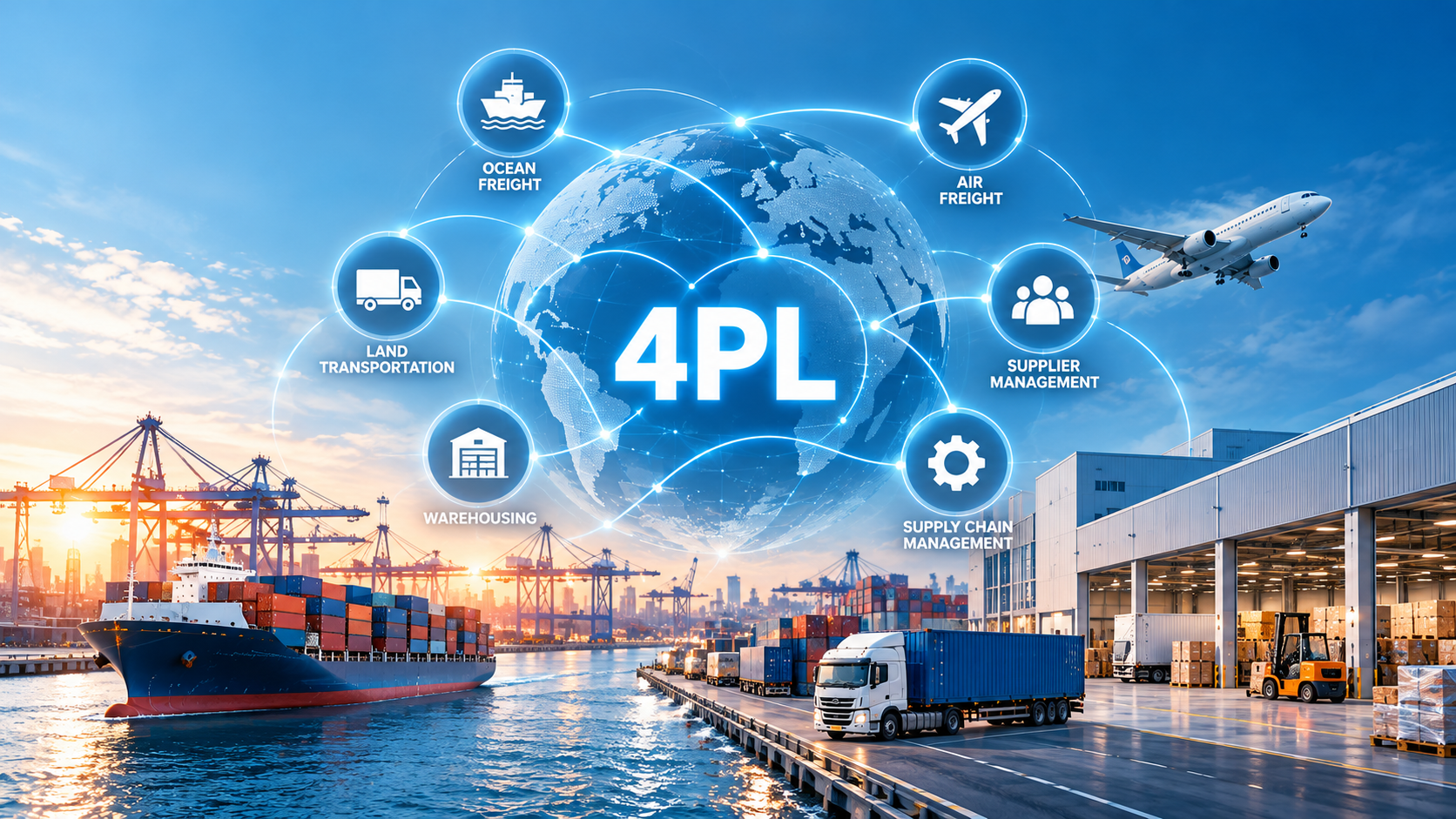


Hormuz Reopens: Triggering a Global Logistics Market Recovery
The global logistics industry may be entering a new phase of recovery following a major geopolitical breakthrough. On June 14, 2026, U.S. President Donald Trump announced that the United States and Iran had reached an agreement to end their 107-day conflict in West Asia.
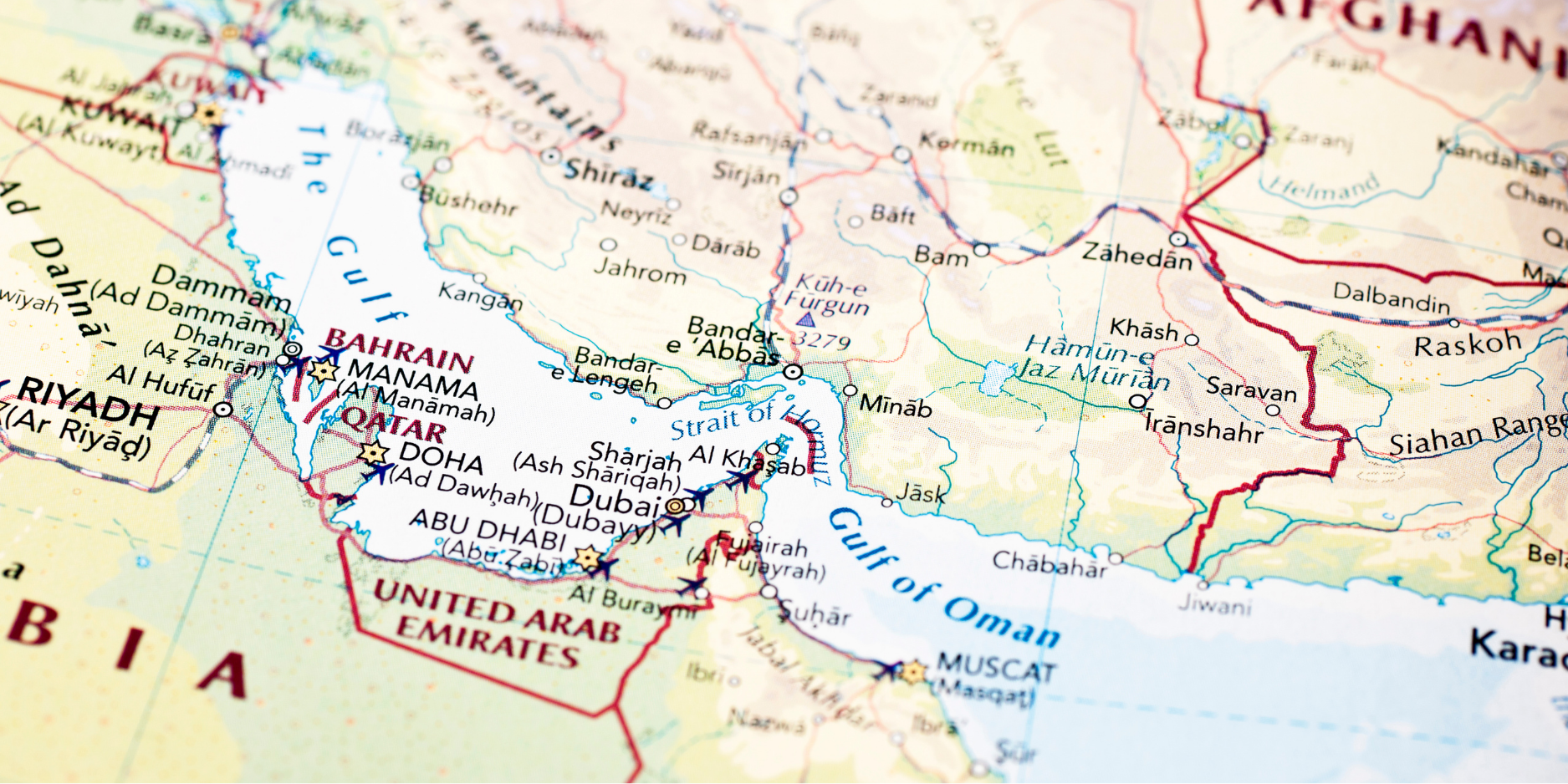
The reopening of the Strait of Hormuz—a critical global shipping route—immediately eased concerns across international supply chains, which have faced significant disruptions over the past three months.
Xem nhanh
Global Logistics Spotlight: A Turning Point from the U.S.–Iran Agreement
On June 14, 2026, President Donald Trump announced via social media that an agreement with the Islamic Republic of Iran had been finalized following 15 hours of intensive negotiations in Tehran, mediated by Pakistan and Qatar.
Implementation roadmap: An official Memorandum of Understanding (MoU) is scheduled to be signed this Friday (June 19, 2026) in Geneva, Switzerland. This will be followed by a 60-day negotiation period regarding Iran’s nuclear program.
Field update: As of this morning (June 15, 2026), maritime tracking data from LSEG and Kpler recorded the first LNG carrier operated by India’s Petronet successfully transiting eastbound through the Strait of Hormuz after being stranded west of the strait since early March.

Recovery Scenario and Implications for Intra-Asia Shipping
Lower Fuel Costs
Immediately following President Trump’s announcement, global crude oil benchmarks (Brent and WTI) fell by nearly 5%. The combination of lower oil prices and the reopening of the strait is expected to reshape regional transportation costs.
Shipping Capacity Returns to Normal
During the conflict, many shipping lines had to redeploy vessels and reroute services, creating container shortages and limited space on ships.
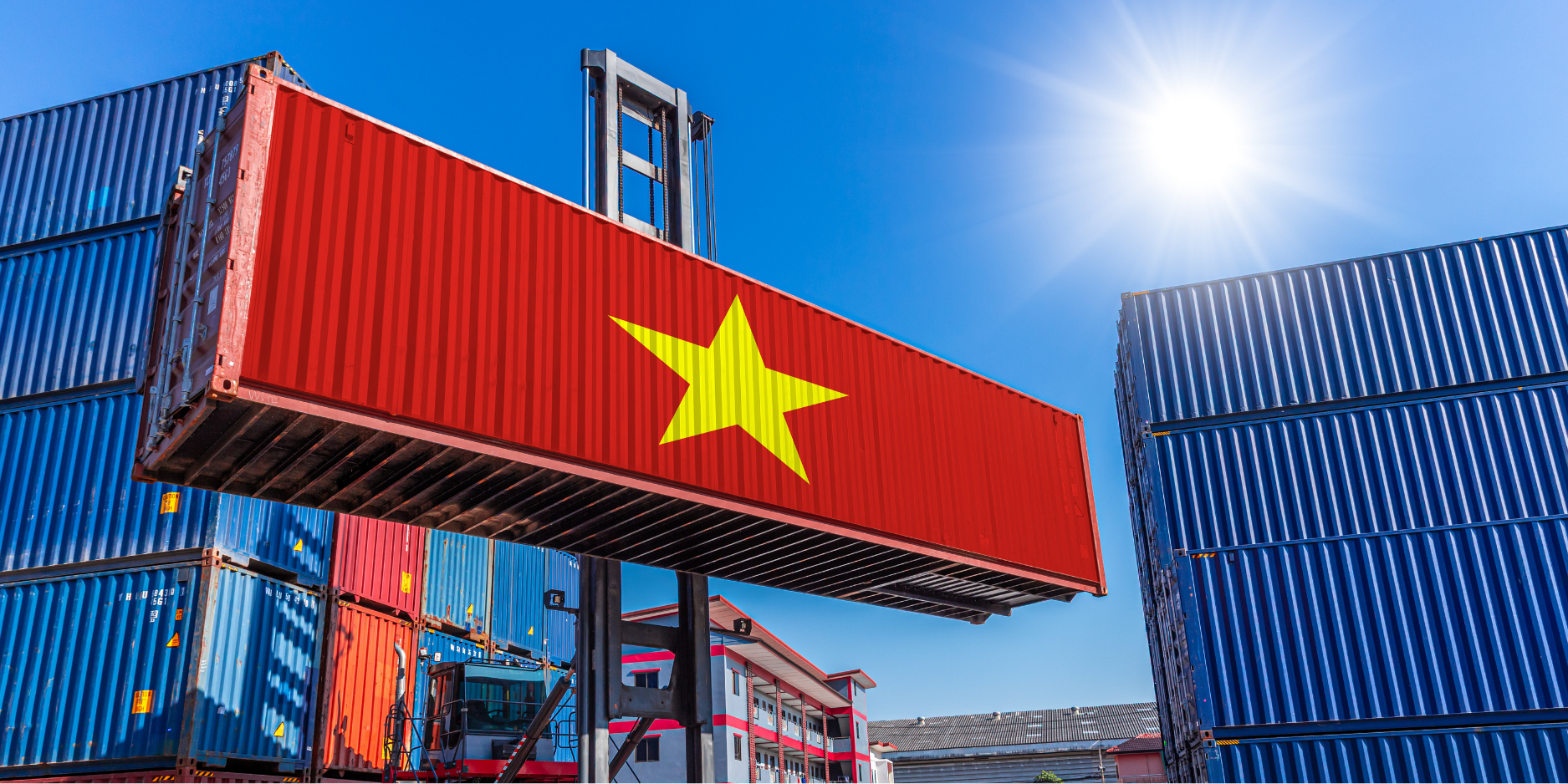
With the Strait of Hormuz now reopened, vessel operations are expected to gradually return to normal. Ports in Vietnam, such as Hai Phong and Cat Lai, could see improved container availability and shipping capacity within the next 30–45 days.
Growth Opportunities for 3PLs and Freight Forwarders
Conversely, freight forwarders and third-party logistics providers (3PLs) may find growth opportunities through increased cargo volumes.
In the initial weeks, they can benefit from pricing lag effects as carriers gradually adjust rates, helping maintain margins committed to shippers. Over the medium term (Q3 2026), lower overall logistics costs are expected to stimulate exports from Vietnamese industries such as textiles, footwear, and agricultural products to key markets including China, South Korea, and Japan.
This could provide a significant boost to cargo throughput and forwarding volumes.
Recommendations for Vietnamese Logistics and Export Businesses
The historic agreement reached between President Donald Trump and Iran sends a highly positive signal for controlling inflation and eliminating costly war risk premiums.
Over the next one to two months, Vietnamese importers and exporters—particularly those in agriculture, seafood, and textile sectors serving intra-Asia trade lanes—should capitalize on this “window of opportunity” as freight rates begin to soften.
At the same time, supply chain managers should prepare for a deeper correction in shipping rates by late Q3 2026 as global maritime networks gradually return to normal operating conditions.