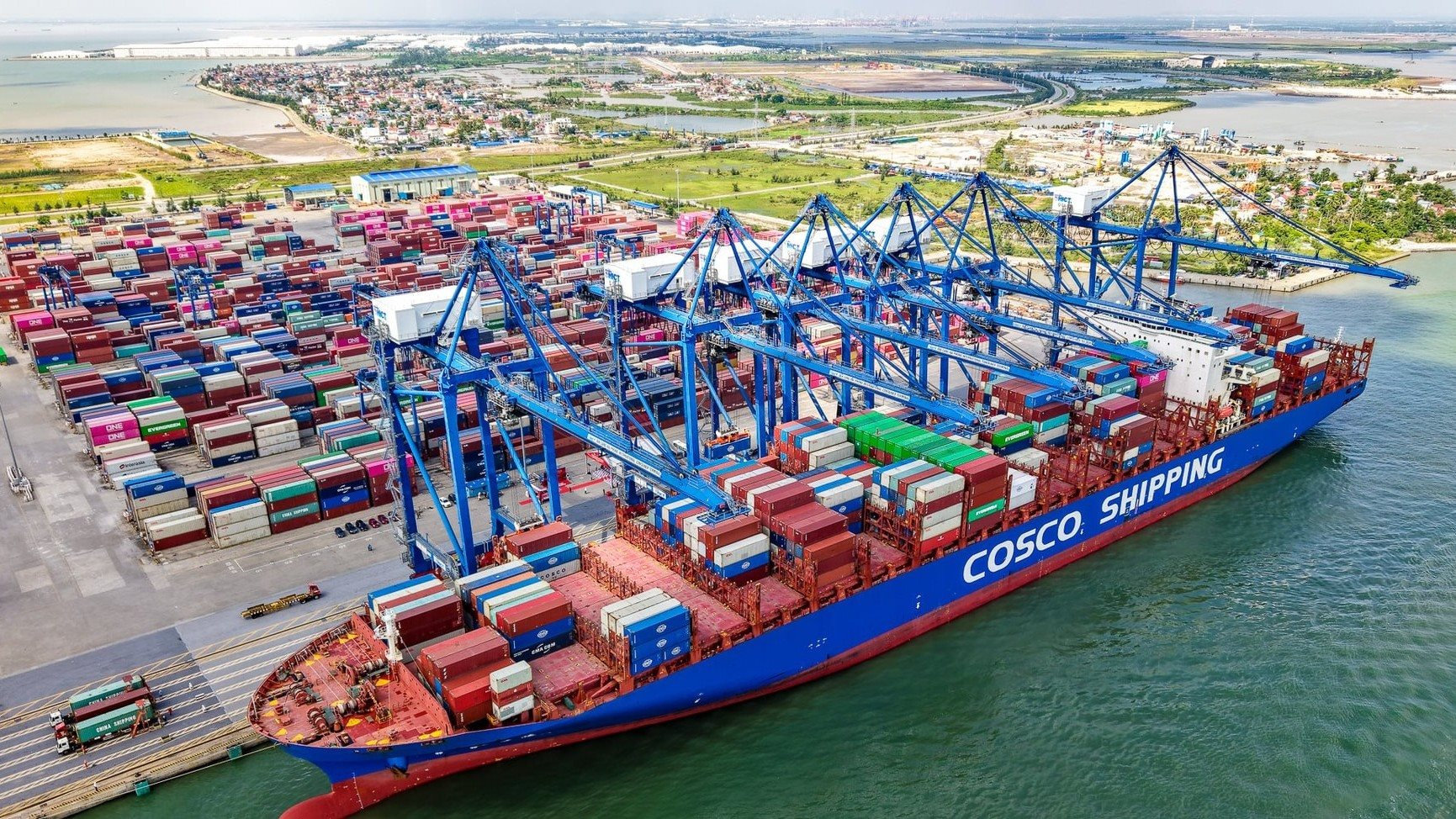


Key Logistics Policy Changes in Vietnam in 2026
In 2026, Vietnam introduced several notable logistics policy developments, covering national logistics development, transportation, customs regulations, and logistics center planning. These changes reflect a broader shift toward modernizing logistics infrastructure, accelerating digital transformation, and strengthening supply chain connectivity across Vietnam.
or manufacturers, import-export companies, and logistics service providers, keeping up with Vietnam’s logistics policies in 2026 is essential not only for regulatory compliance but also for improving transportation planning, customs clearance, and overall supply chain management.
Xem nhanh
- 1 Implementation of Vietnam’s Logistics Services Development Strategy through 2035
- 2 Amended Customs Law Lays the Foundation for a New Customs Management Framework
- 3 Vietnam Continues to Update Its Legal Framework for Transportation
- 4 Moving Toward Standardized Classification and Rating of Logistics Centers
- 5 Digitalization and Green Logistics Become Long-Term Priorities
- 6 How Should Businesses Prepare for Vietnam’s Logistics Policy Changes?
Implementation of Vietnam’s Logistics Services Development Strategy through 2035
One of the key milestones in 2026 is the implementation of the Strategy for the Development of Vietnam’s Logistics Services for the 2025–2035 Period, with a Vision to 2050.
On March 13, 2026, the Ministry of Industry and Trade (MOIT) issued Decision No. 458/QD-BCT, introducing an Action Plan for the implementation of the Strategy.
The Action Plan outlines several key priorities, including reviewing the legal framework for logistics; amending or replacing Decree No. 163/2017/ND-CP on logistics services; developing criteria for the classification and rating of logistics centers; and promoting digital customs and smart customs models.
These priorities indicate a shift in Vietnam’s logistics policy from developing individual logistics services toward building a more integrated ecosystem connecting transportation, warehousing, customs, logistics centers, and manufacturing activities.
For businesses, this creates a stronger incentive to accelerate technology adoption, improve data management capabilities, and prepare for increasingly demanding requirements in terms of supply chain transparency, speed, and connectivity.
Amended Customs Law Lays the Foundation for a New Customs Management Framework
Another significant development is Law No. 11/2026/QH16, amending and supplementing a number of articles of the Law on Customs, which was adopted by the National Assembly on August 23, 2026. The Law was published in the Government Gazette in September 2026.
This development is particularly relevant to importers, exporters, and logistics companies, as customs procedures directly affect customs clearance times and cross-border cargo flows.
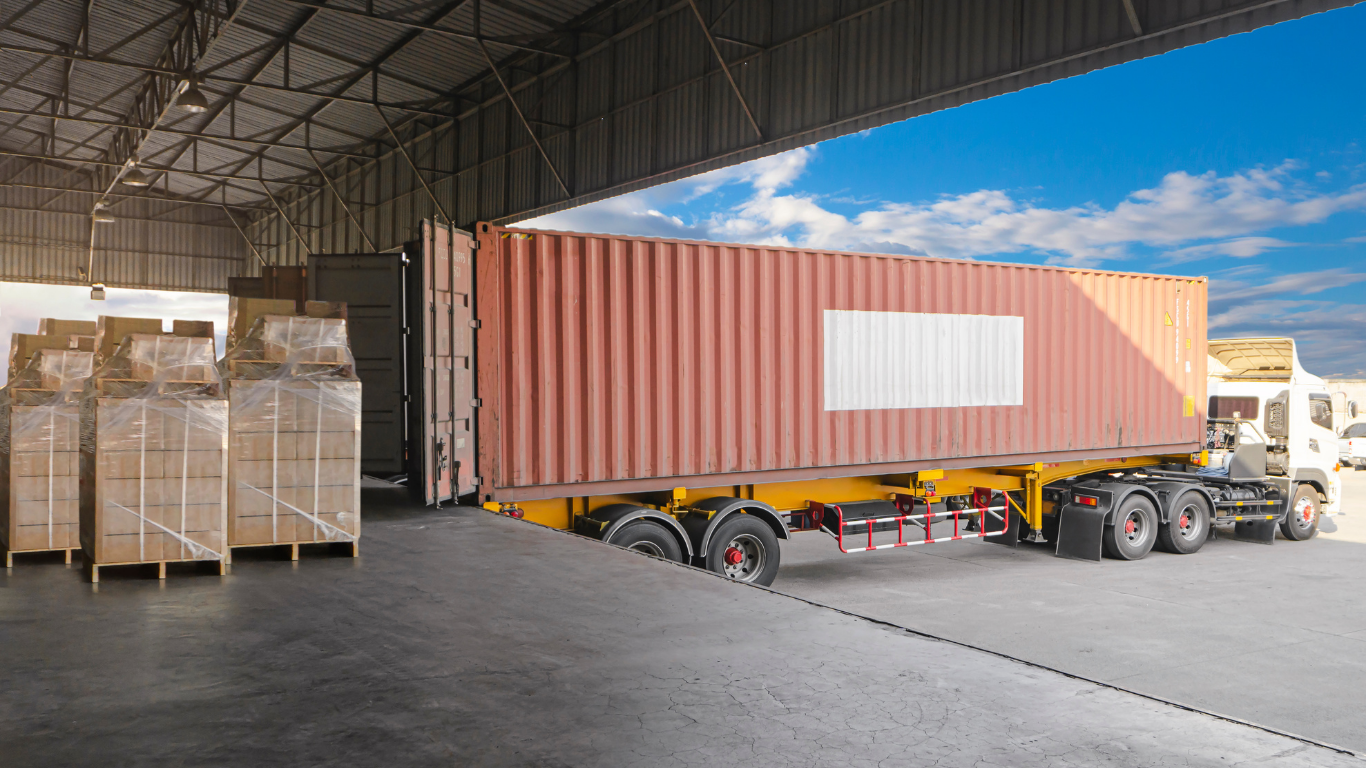
As part of Vietnam’s Logistics Services Development Strategy, MOIT has also identified the development and implementation of digital customs and smart customs as a key priority for the 2025–2030 period.
Businesses should therefore continue to standardize cargo data, documentation, and internal procedures while strengthening electronic data connectivity to adapt to the ongoing digitalization of customs management.
Note: Law No. 11/2026/QH16 was adopted in 2026 but will take effect on March 1, 2027. It should therefore be viewed as a regulatory change that businesses need to prepare for in 2026 rather than a regulation already fully in force this year.
Vietnam Continues to Update Its Legal Framework for Transportation
In 2026, Vietnam also introduced regulatory changes affecting transportation, a critical component of the logistics system.
For road transport, Decree No. 218/2026/ND-CP, which amends and supplements provisions of Decree No. 158/2024/ND-CP on road transport activities, was issued in 2026 and took effect on August 10, 2026.
In the aviation sector, Decree No. 208/2026/ND-CP on air transport took effect on July 1, 2026.
These regulatory developments should be considered in the broader context of Vietnam’s efforts to improve connectivity between different modes of transport and develop a more integrated logistics network.
Manufacturers and import-export businesses, particularly those with high shipment volumes, should regularly review their transportation procedures and relevant regulatory requirements. This can help mitigate compliance risks while creating opportunities to optimize cargo movement and delivery planning.
Moving Toward Standardized Classification and Rating of Logistics Centers
Another notable development in Vietnam’s logistics sector in 2026 is the drafting of a Circular on criteria for the classification and rating of logistics centers.
According to MOIT, the proposed criteria are being developed in line with Vietnam’s Logistics Services Development Strategy and the Action Plan under Decision No. 458/QD-BCT. MOIT conducted its first public consultation in July 2026 and subsequently released a second draft for consultation from August 27 to September 15, 2026.
A standardized set of criteria could provide a clearer framework for identifying, assessing, and developing logistics centers in Vietnam.
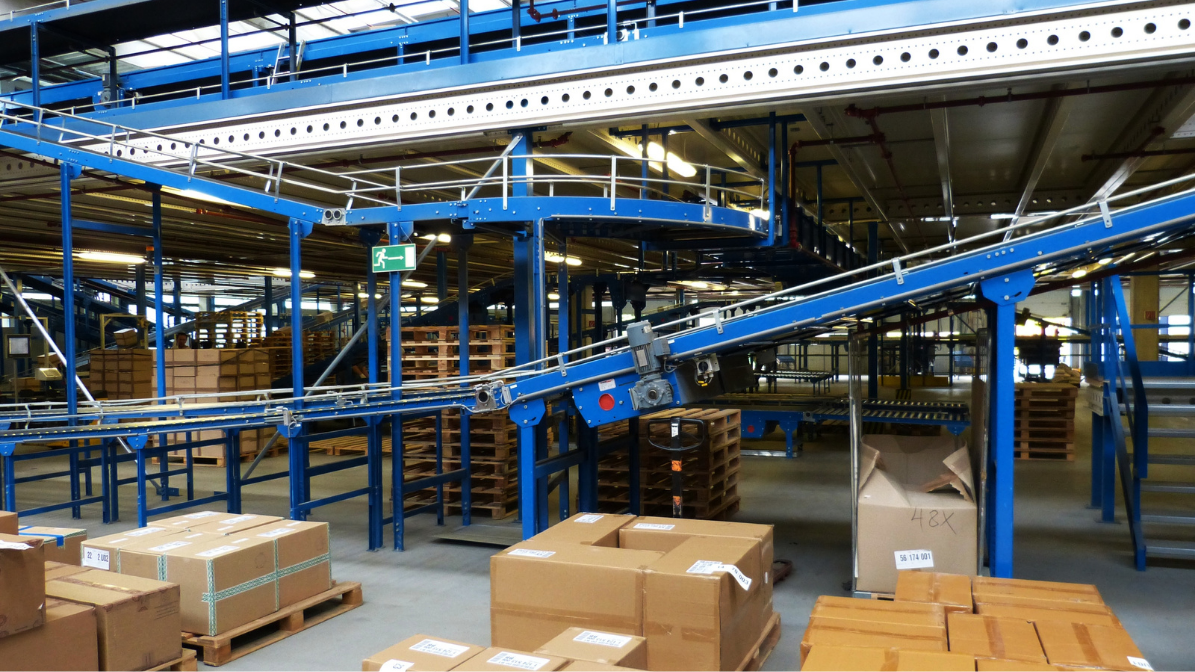
This development is also relevant to industrial parks and manufacturing companies. A more standardized logistics center network could support more efficient connectivity across the supply chain, linking factories, warehouses, logistics centers, seaports, airports, and border gates.
As of September 2026, however, the proposed regulations remain under development and should not be considered officially effective regulations.
Digitalization and Green Logistics Become Long-Term Priorities
Beyond regulatory changes, digital transformation and green logistics are emerging as long-term priorities in Vietnam’s logistics development.
MOIT’s Action Plan sets out a range of initiatives extending through 2030–2035, including improvements to the legal framework, logistics center development, digital customs implementation, and more efficient logistics management.

These developments are creating new requirements for logistics companies. Future competitiveness will depend not only on freight rates but also on capabilities in data management, cargo tracking and visibility, route optimization, multimodal transport connectivity, and sustainable logistics practices.
For manufacturers, selecting investment locations with strong logistics infrastructure and access to reliable logistics services is also becoming increasingly important for optimizing long-term operating costs and supply chain efficiency.
How Should Businesses Prepare for Vietnam’s Logistics Policy Changes?
Overall, Vietnam’s logistics policy developments in 2026 point toward three major priorities: digitalization, standardization, and stronger connectivity.
Manufacturers, import-export companies, and logistics service providers should consider several key actions:
– Stay updated on new customs and transportation regulations;
– Standardize import-export data, records, and documentation;
– Accelerate technology adoption in warehousing, transportation management, and cargo tracking;
– Review transportation networks and opportunities for multimodal transport;
– Prioritize manufacturing and investment locations with efficient access to seaports, airports, road networks, railways, and logistics centers.
As global supply chains continue to restructure, a well-connected logistics network that can quickly adapt to regulatory changes will play an increasingly important role in helping businesses control logistics costs, shorten transit and delivery times, and improve overall operational efficiency.
Sources: Vietnam Ministry of Industry and Trade (MOIT); Government Portal of the Socialist Republic of Vietnam; Official Gazette of the Socialist Republic of Vietnam.