

PPWR officially applies in the EU from August 2026: What should exporters know?
The European Union’s Packaging and Packaging Waste Regulation (PPWR) officially begins to apply from 12 August 2026. This is an important regulatory change for manufacturers, importers, exporters, e-commerce businesses and logistics providers involved in placing goods on the EU market.
The PPWR aims to reduce packaging waste, increase recycling and reuse, and reduce Europe’s dependence on virgin raw materials and fossil fuels.
Xem nhanh
What types of packaging are covered by PPWR?
The PPWR applies to all packaging placed on the EU market, including not only product packaging but also transport packaging such as pallets, containers, crates and other materials used throughout logistics operations.
This means compliance responsibilities will not rest solely with packaging manufacturers. Manufacturers, importers, distributors and fulfilment service providers will also have defined responsibilities to ensure that packaging meets the applicable requirements.
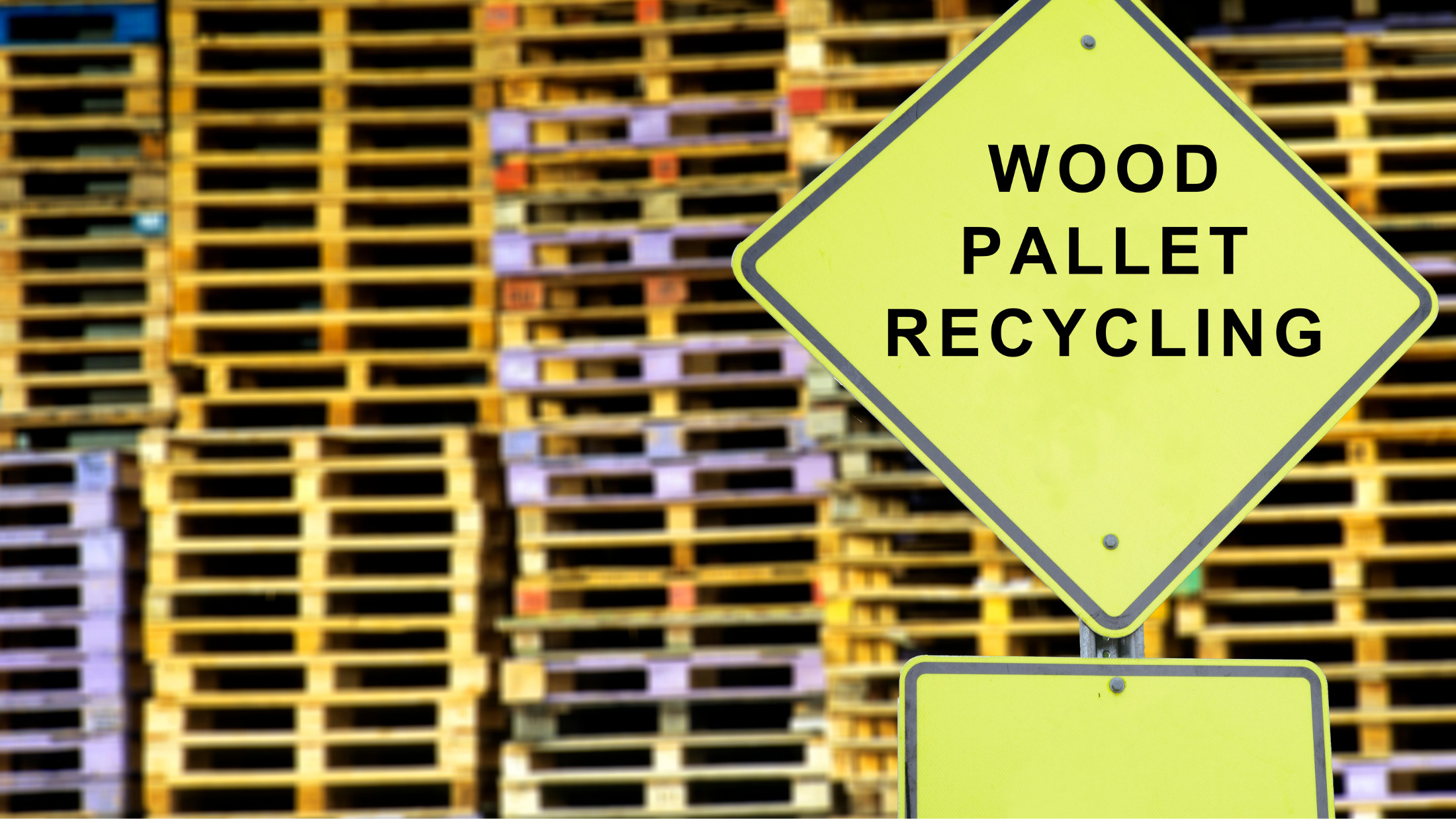
For logistics operations, businesses will need to ensure that handling, warehousing and dispatch processes do not compromise packaging compliance.
PPWR requirements will be introduced in phases
From 12 August 2026, businesses within the scope of the regulation will begin to take on responsibilities related to packaging compliance. The regulation also sets broader requirements to reduce packaging weight and volume, improve recyclability and promote reusable packaging solutions.
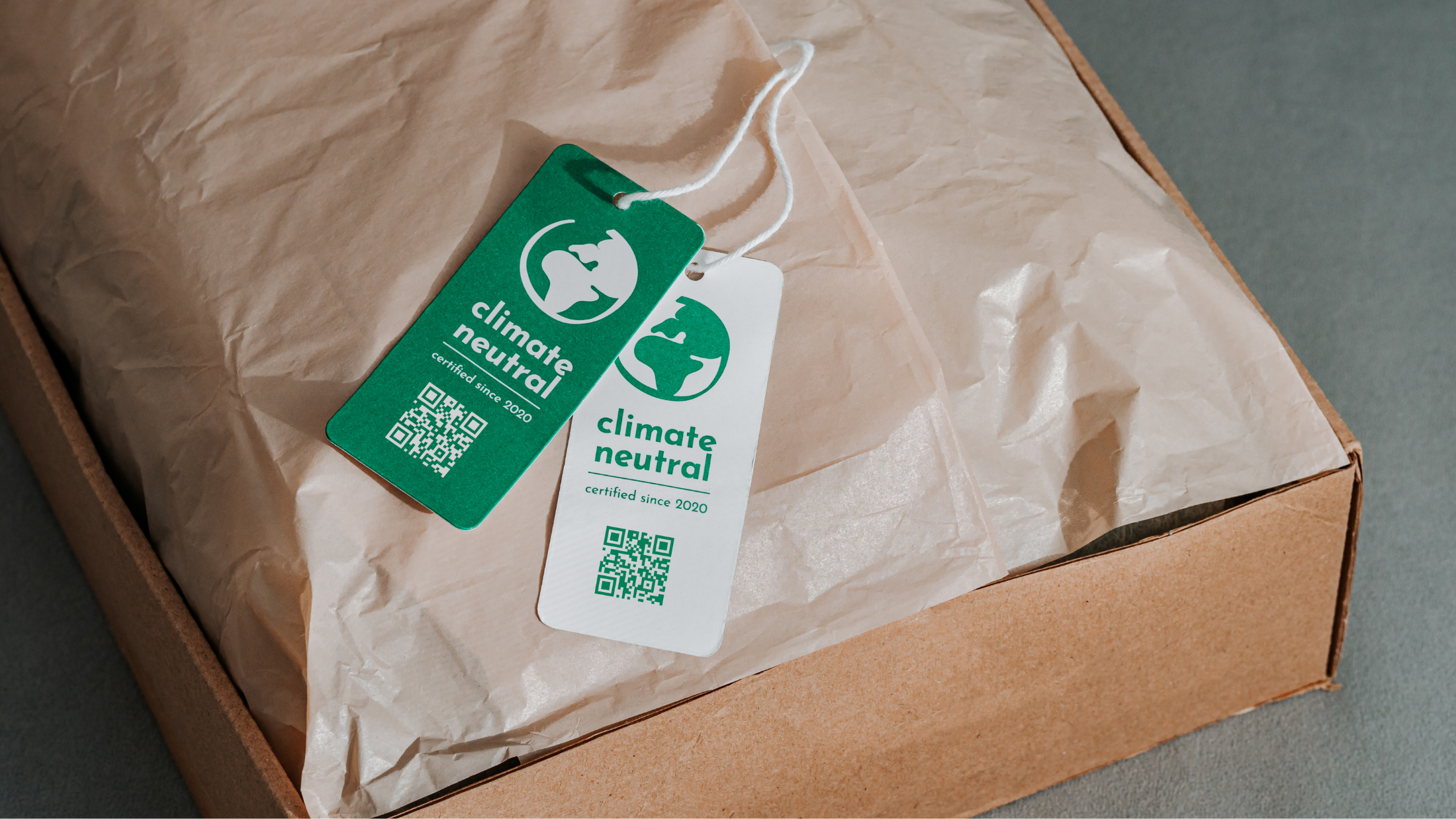
From 2028, the EU will begin introducing a harmonised packaging labelling system to help consumers and businesses sort packaging waste more effectively and improve recycling and waste-treatment processes. Requirements for reusable packaging will also increase the importance of reverse logistics and packaging asset management across supply chains.
From 2030, the impact on logistics and e-commerce is expected to become more significant. Grouped, transport and e-commerce packaging will generally be subject to a maximum 50% empty-space ratio, depending on the specific packaging type and applicable exemptions. At the same time, around 40% of certain transport packaging will generally need to be reusable, while grouped packaging will have a 10% reuse target, subject to applicable conditions and exemptions.
From 2030, requirements concerning recyclability performance and minimum recycled content will also begin to apply to many types of plastic packaging.
93% of UK businesses expect to be affected by PPWR
The potential impact of the regulation is already attracting significant attention among European businesses. According to a survey of 200 companies conducted by Advanced Supply Chain, 93% of surveyed UK businesses said they had been affected or expected to be affected by PPWR.
Among non-food supply chain companies surveyed, 16% had already changed their packaging formats to meet the new requirements, while 39% were making changes and 32% were reviewing and assessing their existing packaging formats.
Although PPWR is an EU regulation, its impact extends beyond Europe. Many businesses outside the EU are already adopting PPWR principles for packaging used in exports to European markets. Standardising packaging can help businesses maintain trade with EU customers while controlling costs and simplifying logistics operations across multiple markets.
Which Vietnamese businesses should pay particular attention?
For Vietnam, PPWR is particularly relevant to businesses exporting goods to the EU, especially industries that use significant amounts of packaging throughout transportation and distribution, including food and beverages, household goods, healthcare products, cosmetics and personal care products.
E-commerce businesses, manufacturers using plastic, paper or cardboard packaging, and companies regularly handling pallets, containers or transport packaging should also review their packaging specifications and packaging management processes across the supply chain.
PPWR is therefore not simply an environmental requirement. For exporters, it could increasingly affect packaging specifications, logistics costs, warehousing, transportation and access to the EU market in the years ahead.
Source: Logistics Manager