

83% of Logistics Professionals Expect Climate Change to Fundamentally Reshape Global Logistics Networks
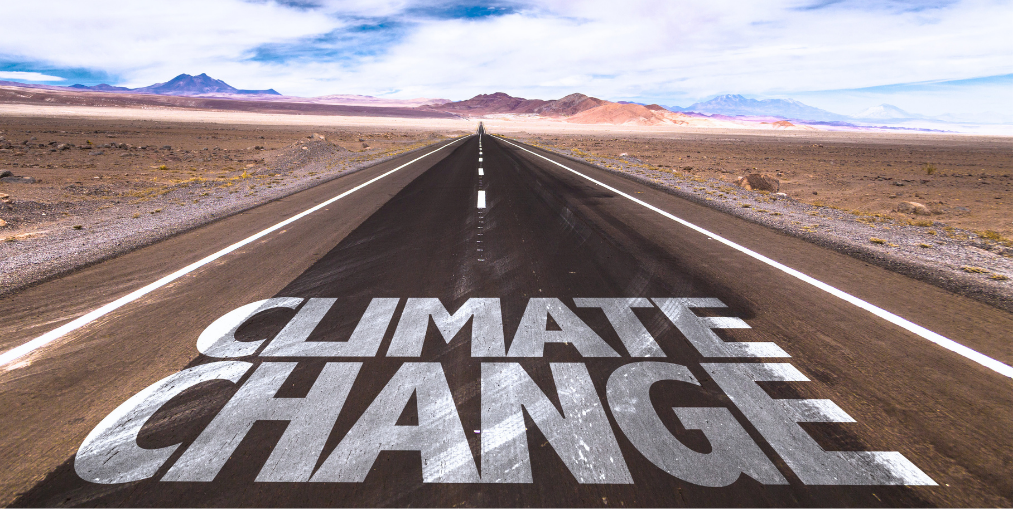
Climate change is emerging as one of the most significant challenges facing the global logistics industry, driving the need to redesign transportation networks, strengthen infrastructure resilience, and improve supply chain adaptability. According to a newly published international survey, 83% of logistics professionals believe climate change will require a fundamental redesign of logistics networks in the coming years.
Xem nhanh
- 1 83% of Logistics Professionals Call for a Fundamental Redesign of Logistics Networks
- 2 Extreme Heat Identified as the Most Urgent Climate Threat to Logistics
- 3 Sustainable Logistics: Bridging the Gap Between Emission Reduction Goals and Implementation
- 4 What Does This Mean for Vietnam’s Import-Export Businesses?
83% of Logistics Professionals Call for a Fundamental Redesign of Logistics Networks
According to the Global Sustainable Logistics Survey 2026, published by Kühne Logistics University (KLU) and the Kuehne Climate Center, 83% of surveyed logistics professionals believe climate change will necessitate fundamental changes in how logistics networks are designed and operated.
The study surveyed 1,085 logistics professionals across 64 countries, providing valuable insights into the industry’s readiness to address climate-related challenges and advance sustainable logistics practices.
Despite widespread recognition of the urgency, only 45% of respondents consider current climate adaptation measures adequate for the foreseeable future.
This gap between awareness and implementation highlights the challenges facing the global logistics industry, particularly in infrastructure investment, technology adoption, and long-term risk management.
Extreme Heat Identified as the Most Urgent Climate Threat to Logistics
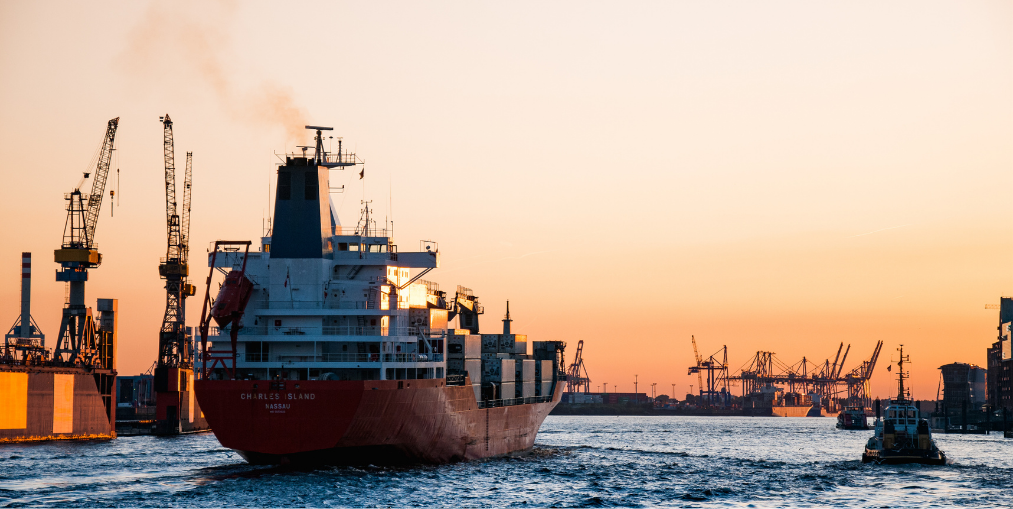
Among the climate-related risks examined, extreme heat was identified as the most urgent threat to logistics assets and operations across all transportation modes and surveyed regions.
Rising temperatures can directly affect transportation efficiency, warehouse operations, and cargo preservation. For temperature-sensitive products such as food, seafood, pharmaceuticals, and frozen goods, extreme weather conditions create additional challenges in maintaining product quality throughout the supply chain.
Other extreme weather events, including storms, heavy rainfall, and flooding, can also disrupt operations at seaports, airports, highways, and distribution centers, potentially affecting cargo delivery schedules.
To address these challenges, the survey identified three particularly effective climate adaptation measures:
– Climate-resilient infrastructure: Investing in and upgrading warehouses, ports, and transportation facilities to withstand increasingly severe climate conditions.
– Climate risk assessment and scenario planning: Identifying potential disruptions, evaluating vulnerabilities, and developing alternative transportation and contingency plans.
– Digital tools for climate risk monitoring: Leveraging technology to track climate-related risks, improve early warning capabilities, and support more informed logistics decisions.
Sustainable Logistics: Bridging the Gap Between Emission Reduction Goals and Implementation
Beyond climate adaptation, reducing carbon emissions remains a major priority for the global logistics industry.
The survey found broad agreement between logistics service providers and their customers regarding the measures needed to reduce transportation-related emissions.
However, implementation continues to lag, particularly for solutions requiring substantial investment, infrastructure development, or policy support. These include:
– Adopting low-carbon fuels in transportation.
– Electrifying commercial vehicle fleets.
– Shifting freight transportation from roads to railways and waterways where feasible.
In addition to financial and infrastructure constraints, workforce capabilities represent another significant barrier.
The research identified shortages in emissions calculation and reporting expertise across several regions, including parts of Asia. Meanwhile, 43% of respondents in Western Europe reported a shortage of systems-thinking skills.
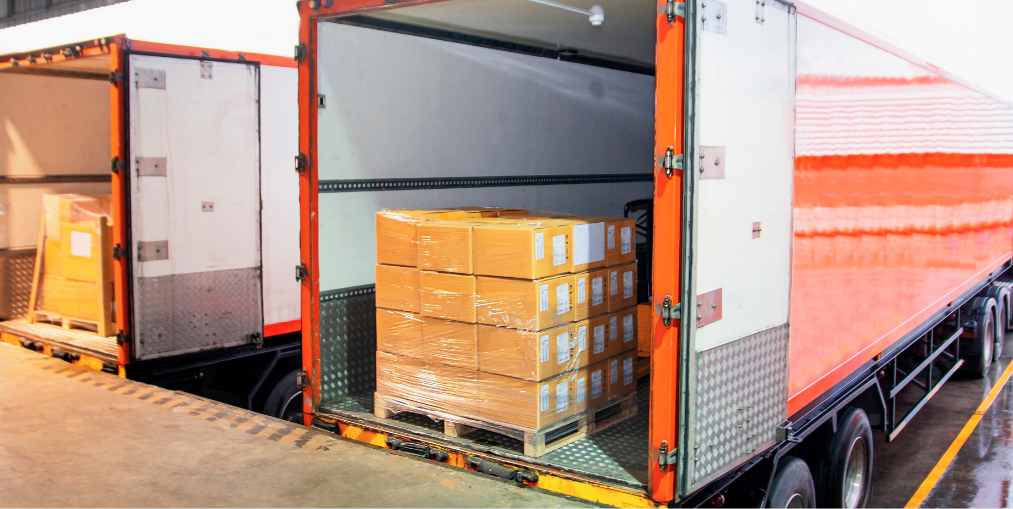
Professor Johannes Meuer, lead investigator of the survey, emphasized that sustainable logistics solutions already exist, but relatively few have successfully transitioned from research and pilot projects into everyday operations.
These findings underline the need for stronger collaboration among logistics providers, businesses, policymakers, and technology developers to accelerate the adoption of sustainable transportation solutions.
What Does This Mean for Vietnam’s Import-Export Businesses?
As an export-oriented economy deeply integrated into global supply chains, Vietnam is increasingly exposed to changes in international logistics networks.
For importers and exporters, climate change presents challenges extending beyond cargo protection. It can directly influence transportation costs, delivery reliability, shipment planning, and overall supply chain stability.
To strengthen resilience amid these developments, Vietnamese businesses should consider three strategic priorities.
First, diversify transportation routes and shipping options. Developing alternative routes, ports of departure and arrival, and transportation modes can help businesses reduce dependence on individual logistics corridors and minimize disruption risks.
Second, strengthen logistics risk management. Businesses should closely monitor weather conditions, port operations, and shipping schedules while incorporating appropriate contingency time into transportation plans, particularly for time-sensitive shipments.
Third, gradually integrate sustainability into logistics strategies. Optimizing transportation routes, improving vehicle utilization, and selecting suitable shipping solutions can help businesses manage logistics costs while supporting their sustainability objectives and meeting evolving expectations from international partners.
Source: Global Sustainable Logistics Survey 2026 – Kühne Logistics University (KLU) and Kuehne Climate Center.