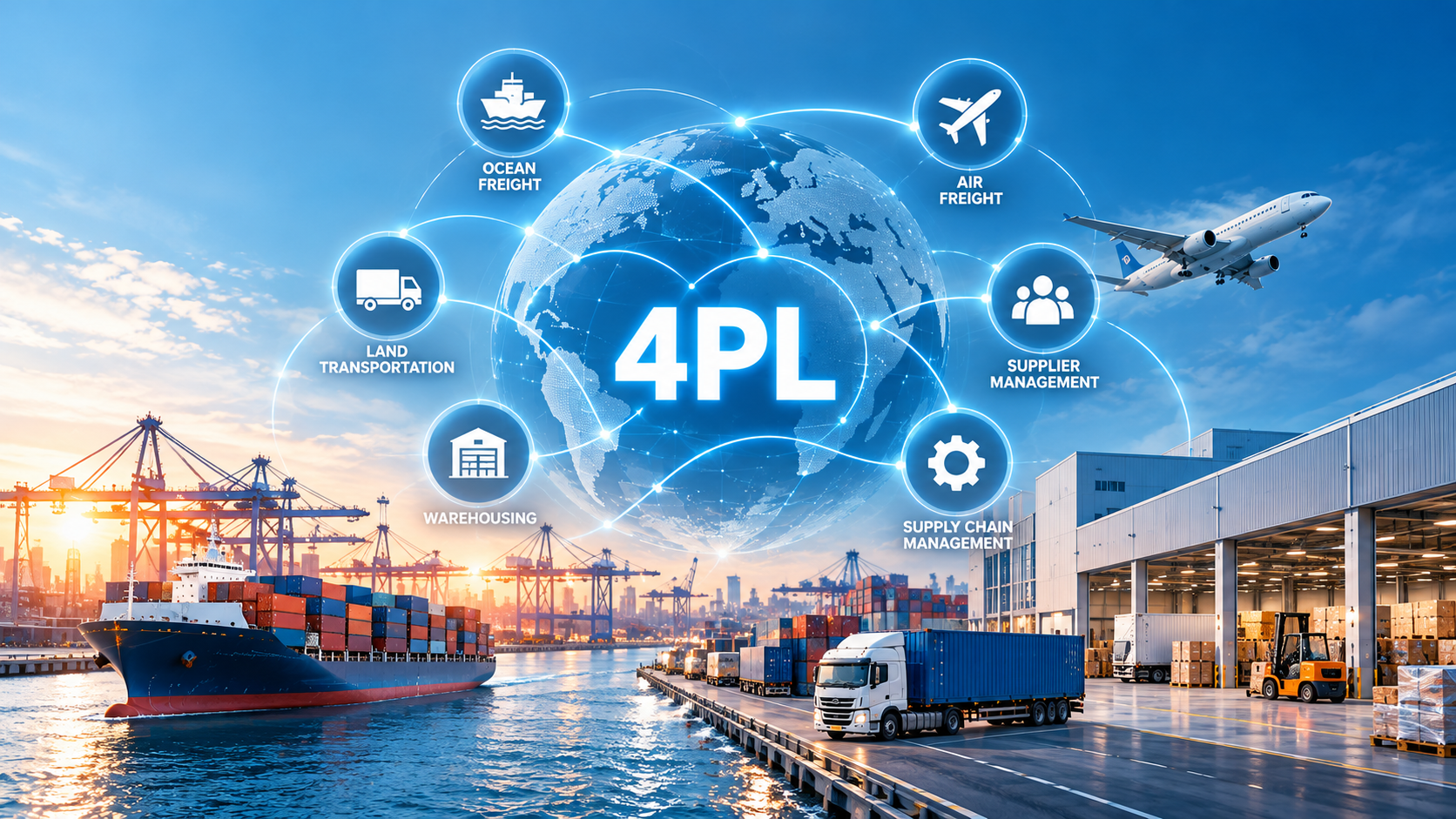


Vietnam Logistics in the First Half of 2026 and Outlook for the Second Half of the Year
Xem nhanh
Logistics Market Overview 2026
In the first half of 2026, the global logistics industry continued to face significant challenges driven by geopolitical tensions, rising operating costs, and shifting trade policies. Global supply chains remained under pressure as disruptions across key shipping routes persisted, resulting in longer transit times and elevated logistics costs worldwide. As an emerging manufacturing hub in the region, Vietnam was also directly impacted by these developments, particularly across export sectors serving the U.S., Europe, and intra-Asia markets.
How Global Logistics Developments Are Affecting Vietnam
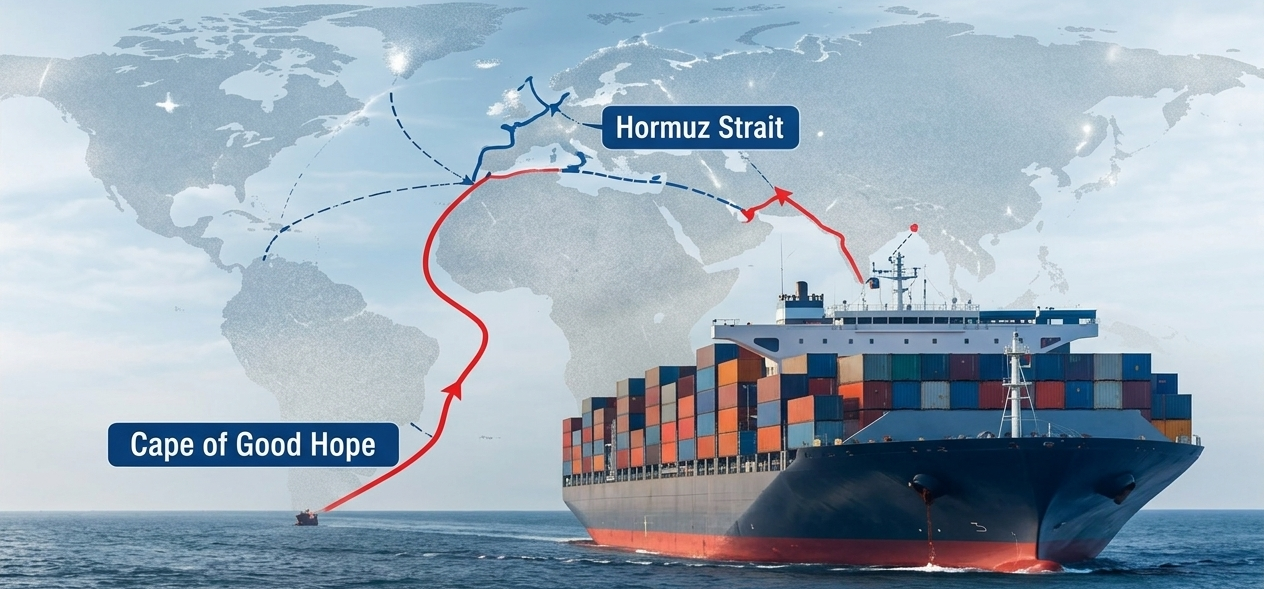
One of the most significant factors impacting the logistics market in 2026 has been the prolonged geopolitical tensions in the Middle East. Maritime transport through the Strait of Hormuz has become increasingly constrained, forcing many carriers to reroute vessels via the Cape of Good Hope. This diversion has significantly extended transit times, increased fuel consumption, and raised operating costs, ultimately keeping global freight rates at elevated levels for an extended period. In response to these challenges, logistics providers and shippers in Vietnam have had to adjust transportation plans, secure capacity earlier, and diversify routing strategies to mitigate supply chain disruption risks.
Vietnam Logistics Market in the First Half of 2026
In Vietnam, the logistics market experienced significant fluctuations in demand and freight rates during the first half of 2026, particularly across Asia–Europe and Middle East trade lanes. Persistently high ocean freight rates, coupled with peak season surcharges, compelled importers and exporters to adopt more proactive logistics strategies. As a result, early booking practices became increasingly common as businesses sought to secure transport capacity and minimize supply chain disruptions. Meanwhile, the new tariff policies announced by the United States in early June 2026 triggered a wave of frontloading, with shippers accelerating cargo movements ahead of potential tariff implementation. This short-term surge in shipping demand had a direct impact on both ocean and air freight markets, further tightening capacity and driving up transportation costs across key trade routes.
Domestically, the introduction of E10 gasoline in late April 2026—one month ahead of the original schedule—contributed to stabilizing fuel supply and mitigating fluctuations in inland transportation costs. This has become a key factor enabling logistics providers to better control service costs and enhance operational efficiency, particularly as global energy markets remain highly uncertain.
Logistics Infrastructure and Supply Chain Development in Vietnam
Alongside market fluctuations, Vietnam continues to intensify investment in logistics infrastructure, particularly in key industrial hubs. In Bac Ninh, the province is emerging as a critical link in the high-tech supply chain, especially in electronics and semiconductors. With sustained high industrial growth and a development plan for 11 key logistics centers, the region is gradually forming a multimodal logistics ecosystem that supports large-scale industrial production.
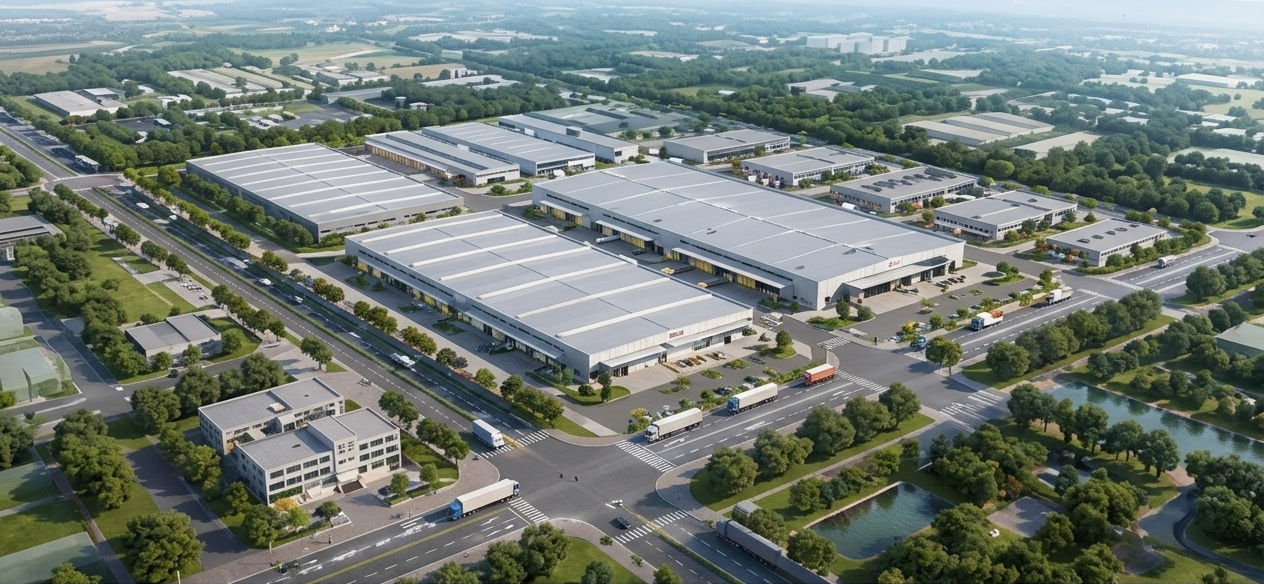
In addition, the Gia Binh Free Trade Zone is identified as a strategic project linked to the future Gia Binh International Airport. This model aims to develop a new-generation logistics hub in the form of an “airport city,” integrating rapid customs clearance, digitalized customs operations, and cross-border e-commerce logistics. Once operational, the area is expected to become a key driver in enhancing Vietnam’s logistics competitiveness in the region.
From a professional logistics perspective, MSC’s planned introduction of a direct container service between China and Vietnam in mid-2026 is expected to enhance intra-Asia shipping capacity, improve transit efficiency, shorten lead times, and reduce dependence on conventional transshipment networks.
Vietnam Logistics Trends – Second Half of 2026
In the second half of 2026, Vietnam’s logistics market is expected to remain volatile while still presenting significant growth opportunities. Ocean freight rates may stay elevated due to rerouted services around Africa and higher fuel costs; however, certain intra-Asia trade lanes are likely to stabilize as shipping capacity improves across carriers. At the same time, supply chain optimization trends are expected to strengthen further, driven by the expansion of nearshoring strategies. More companies are increasing their use of Vietnam and neighboring countries as regional transshipment and warehousing hubs to shorten lead times and enhance overall supply chain efficiency.
Air freight is also expected to continue playing a crucial role for high-value goods and electronics, as businesses increasingly prioritize delivery speed over cost alone. The trend toward green logistics and CO₂ emissions optimization is becoming more prominent, driving companies to adopt more energy-efficient and operationally optimized transportation solutions.
Conclusion
Conclusion
2026 marks a pivotal transition for Vietnam’s logistics sector, shifting from broad-based growth toward supply chain optimization and enhanced operational efficiency. Amid continued global market volatility, Vietnam is emerging as a key regional manufacturing and logistics hub, supported by infrastructure development, strong FDI inflows, and expanding international transport connectivity. These factors are expected to provide a solid foundation for sustaining growth momentum in Vietnam’s logistics industry in the second half of 2026 and beyond.