

CBAM – THE “CARBON FILTER” RESHAPING EXPORT DYNAMICS TO THE EU MARKET

From January 1, 2026, CBAM will officially enter its definitive phase, following a transitional and pilot period from 2023 to 2025. The European Union aims to gradually phase out free emission allowances.
Exporters shipping goods to the European market with volumes exceeding 50 tonnes will be required to comply with CBAM regulations, including proper reporting and payment of carbon costs calculated in €/tonne of CO₂ emitted.
Xem nhanh
1. What is CBAM?
CBAM (Carbon Border Adjustment Mechanism) is the EU’s environmental policy tool designed to regulate carbon emissions at the border. In essence, the EU imposes a carbon cost on imported goods, ensuring they are subject to similar environmental standards as those produced within the EU.
The primary objective of CBAM is to prevent “carbon leakage”—where companies relocate production outside the EU to avoid strict environmental regulations, and then re-import goods into the EU market via third countries.
The EU categorizes goods into two types for emissions calculation: Simple goods and Complex goods.
For complex goods, total emissions are calculated as:
Emissions from input materials + Emissions generated during the production process
2. Who and which industries are affected by CBAM?
According to industry experts, Asia is among the first regions to be impacted by CBAM. The EU’s top five exporting partners in Asia include: China, Russia, Japan, South Korea, and India.
Vietnam currently ranks 11th among exporters to the EU. While most Vietnamese exports are not yet within the core sectors directly impacted by CBAM.
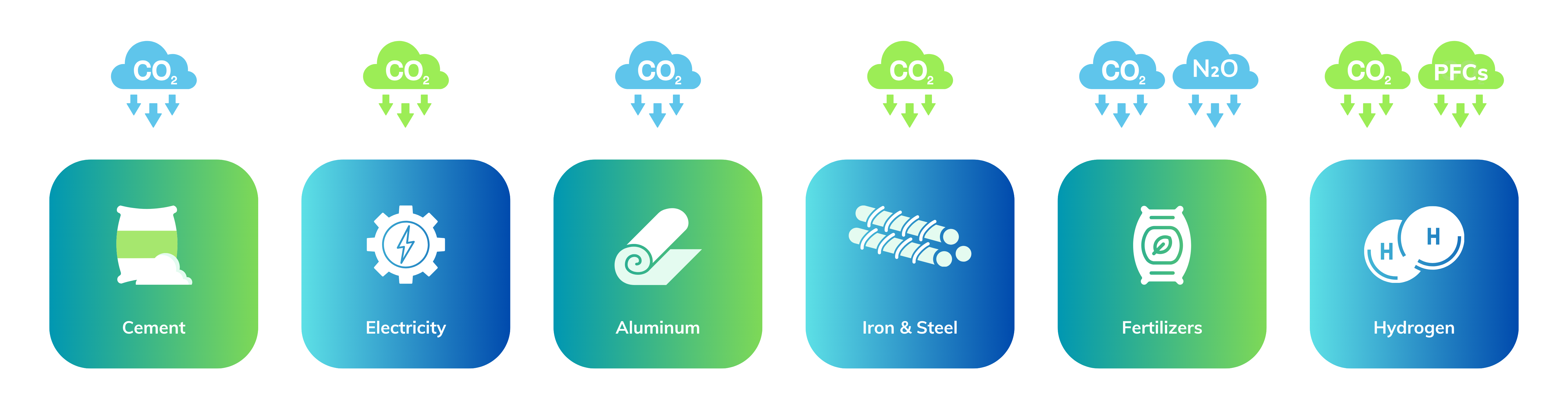
Sectors with high carbon emission intensity that are required to conduct carbon emissions accounting under the CBAM mechanism—and are therefore directly affected—include: Cement, Fertilisers, Electricity, Iron & Steel, Hydrogen, and Aluminium.
This also creates indirect impacts on heavy industries and high-tech sectors such as: Aviation, Automotive, Chemicals, Consumer Goods, Pharmaceuticals, Engineering & Construction, Timber, and Wood Products.
3. CBAM Roadmap from the EU
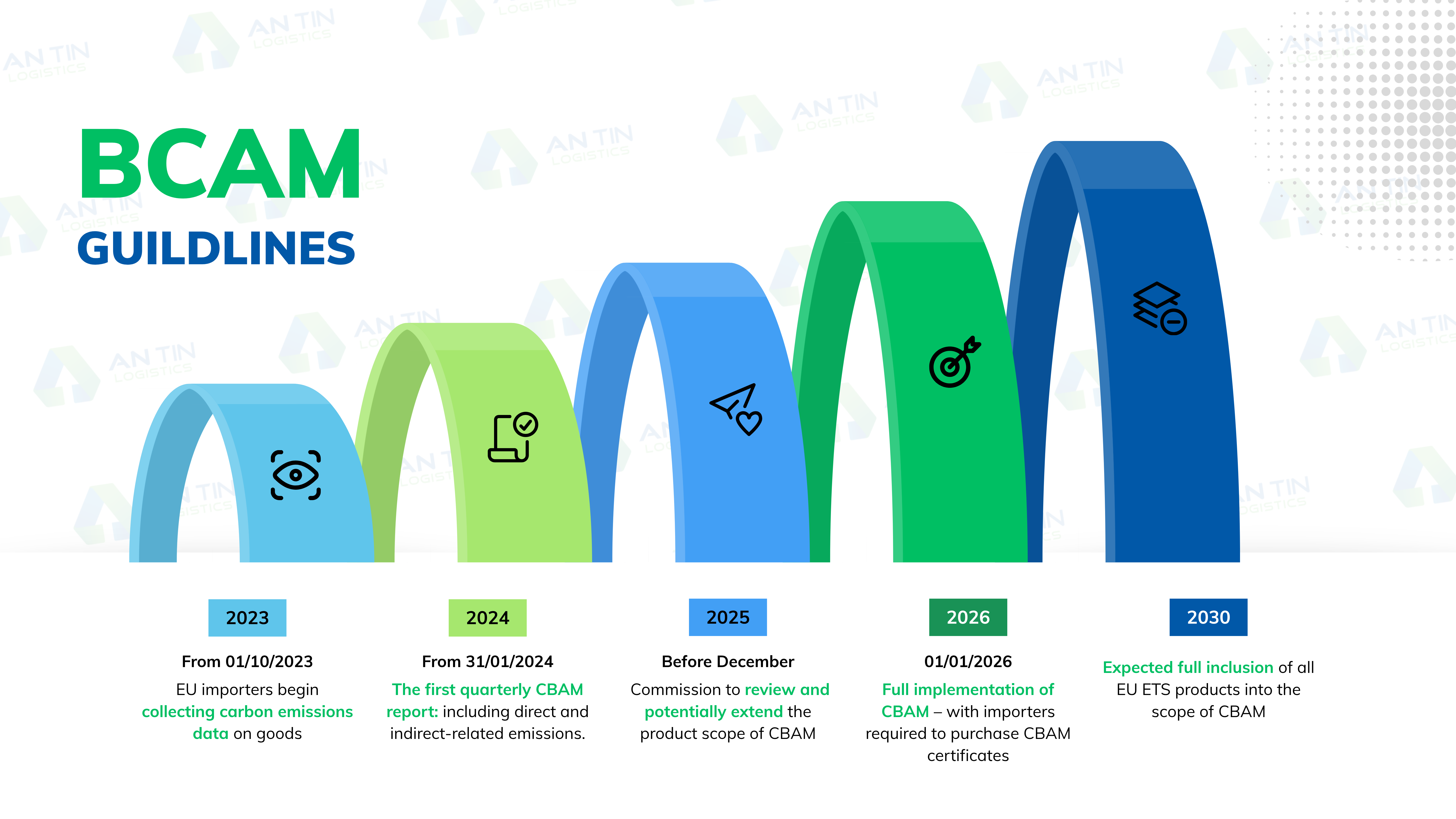
According to experts, the overall impact of CBAM on the broader economy is expected to be moderate. However, Vietnamese businesses should proactively adapt and align with EU regulations to remain competitive in the European market.
Manufacturers in high-risk sectors such as steel, aluminum, cement, fertilizers, and electricity exporting to the EU are strongly advised to:
- Assess their carbon emissions throughout the production process
- Implement emission reduction strategies to minimize export-related costs
At the same time, businesses in other sectors should begin developing carbon cost forecasting strategies, in anticipation of the EU expanding the scope of CBAM to additional product categories by 2030.
4. How Should Vietnamese Exporters Prepare for CBAM?

Importers are required to:
- Report carbon emissions for each shipment
- Purchase CBAM certificates corresponding to the declared emissions
Ensure export readiness: Standardize emissions data and collect information at the product and shipment level to ensure smooth customs clearance and CBAM compliance.
Optimize costs and reduce emissions sustainably: Review and optimize production processes to lower carbon emissions, helping minimize exposure to environmental taxes and CBAM-related costs.
Choose “green” logistics agency: Select low-emission transport routes and logistics providers with carbon tracking solutions to ensure accurate and standardized carbon data across the supply chain.
5. An Tin Logistics – Your Global Green Logistics Solution
An Tin Logistics supports businesses in fully implementing CBAM requirements, including: Emissions inventory and assessment across production processes; Standardization of carbon data systems; Preparation of CBAM reports in line with EU regulations
With a comprehensive approach, An Tin Logistics helps businesses stay compliant, optimize costs, and build a sustainable export strategy in the CBAM.
An Tin Logistics (ATZ) represents an end-to-end (“A to Z”) logistics solution, providing comprehensive door-to-door services. With core strengths in key industries—including Industrial Resources; Garments & Materials; Retail; Food & Agriculture; and Automotive—ATZ demonstrates its capability as a leading logistics provider in Vietnam, well-positioned to adapt to and effectively implement CBAM requirements.
Our Services:
- Transportation Services
- Customs Brokerage
- Logistics Consulting
- Warehousing Services
| Contact Information: AN TIN INTER-TRANSPORT JOINT STOCK COMPANY Address: Lot CN11+12 An Dong Industrial Park, Nam Sach Commune, Hai Phong City, Vietnam Tel: (+84) 220 3755 456 Email: info@antinlogistics.com Website: antinlogistics.com |