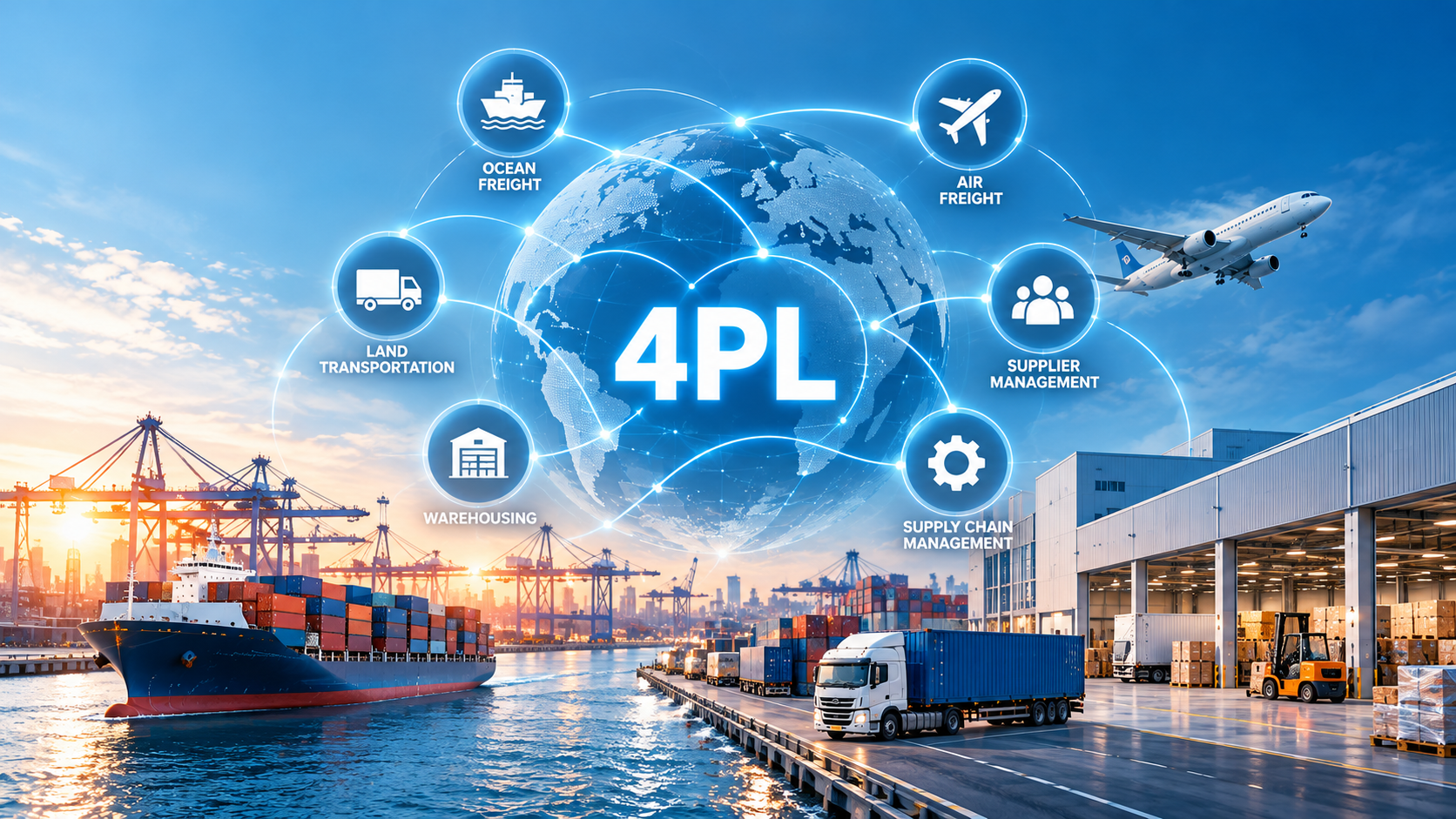


Logistics management strategy: Operational checklist for first-time exporters
For businesses entering international trade for the first time, a clear understanding of each component within the supply chain is essential to minimize legal risks and unexpected costs.
Below is a standardized operational framework developed by An Tin Logistics:
Xem nhanh
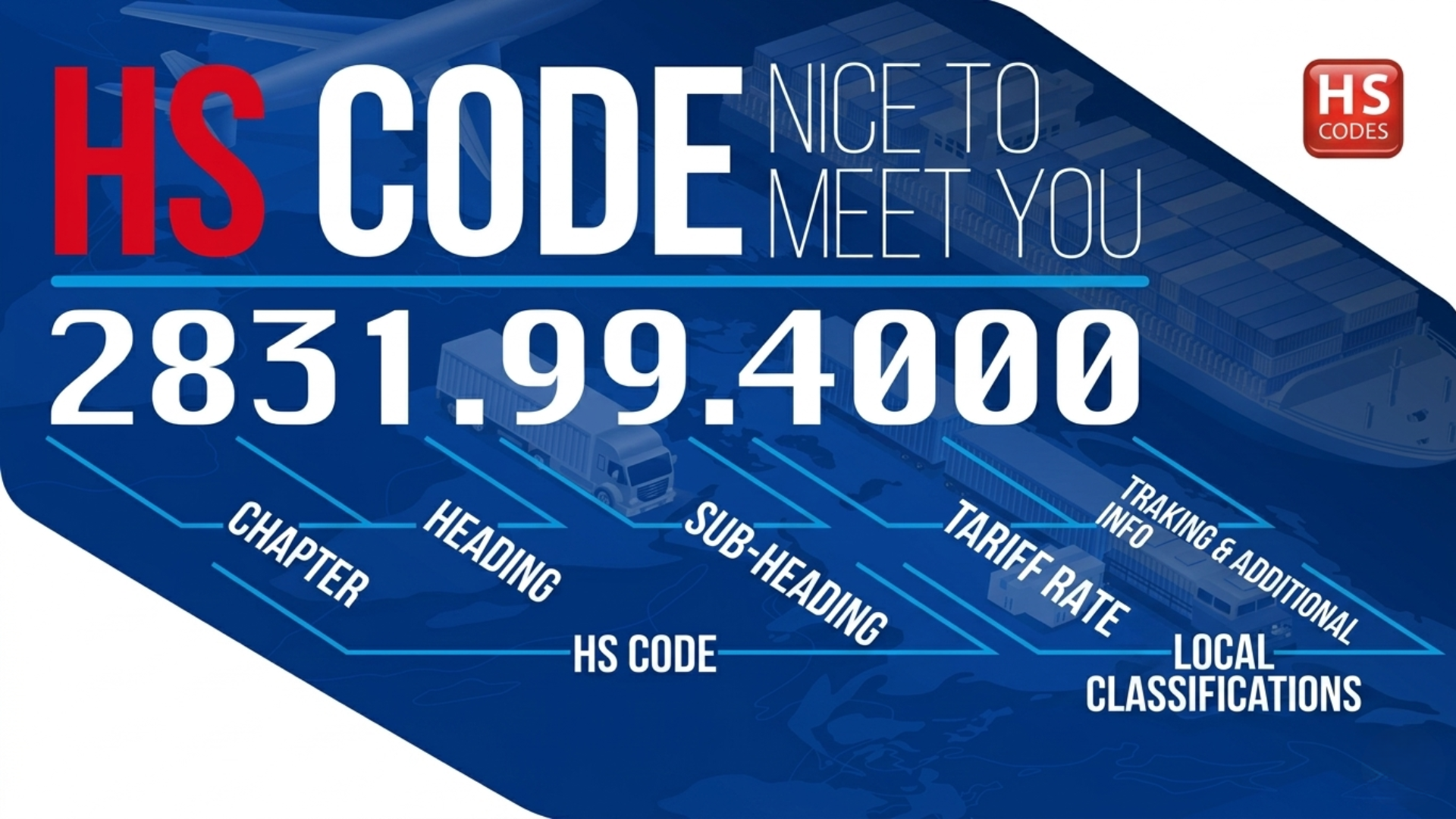
Legal Compliance & Product Classification (HS Code)
The first critical step in the export process is ensuring regulatory compliance and accurately identifying product specifications.
HS Code Classification: Businesses must determine the correct Harmonized System (HS Code) to identify applicable export duties and regulatory requirements in both origin and destination countries.
Regulatory Control: Review whether goods fall under restricted categories requiring export licenses or specialized certifications such as Phytosanitary Certificates or Health Certificates.
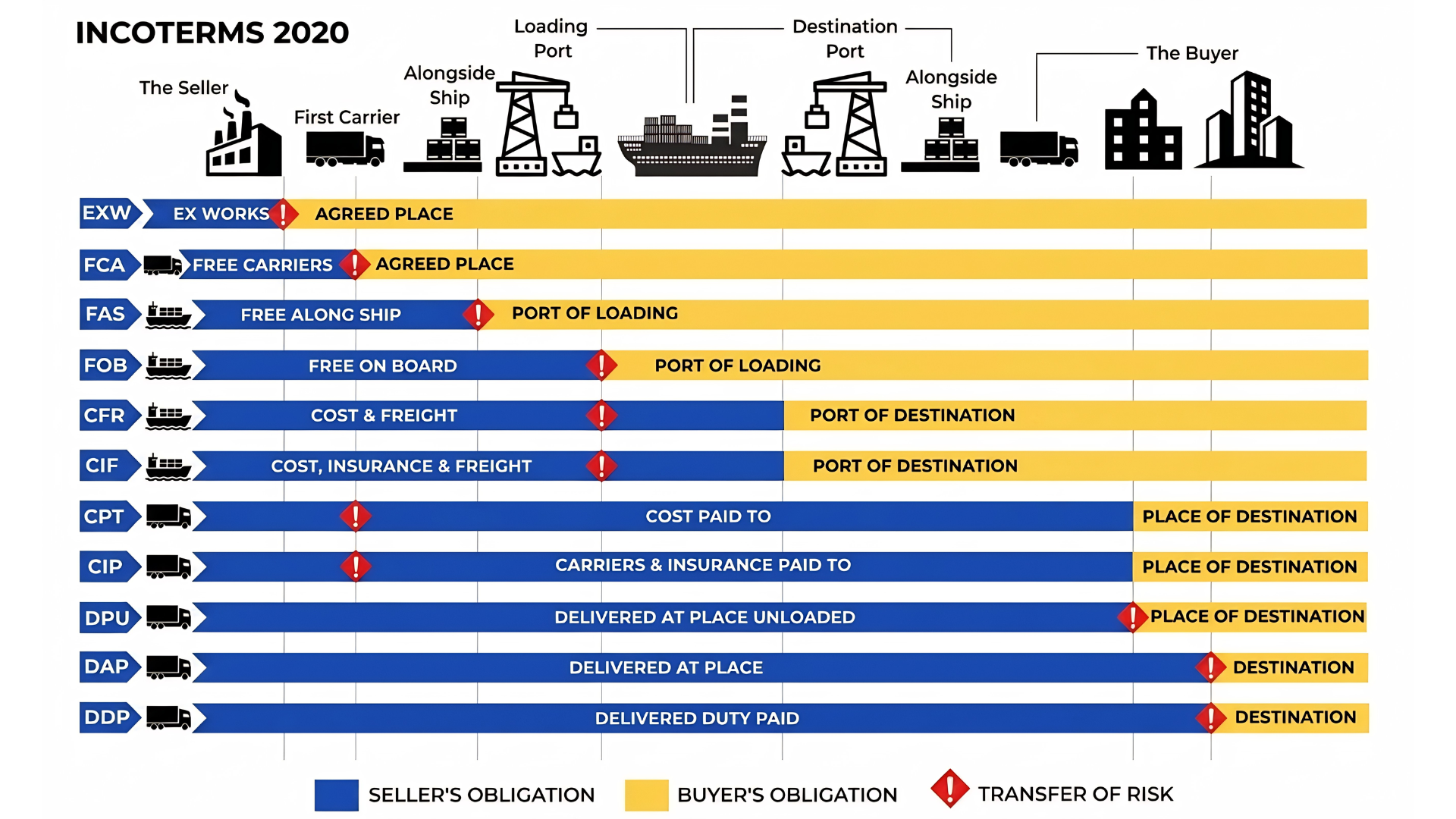
Defining Responsibilities through Incoterms
Selecting the appropriate Incoterms not only allocates costs but also defines the transfer of risk between buyer and seller.
Group F (FOB, FCA): Suitable for new exporters seeking to minimize international shipping responsibilities by allowing overseas buyers to manage freight arrangements.
Group C (CIF, CFR): Enables exporters to negotiate freight rates with local forwarders, offering greater control over total logistics costs in a volatile freight market.
Documentation Management
Documentation serves as the highest legal proof for any shipment. Even minor discrepancies can lead to customs delays and additional charges such as demurrage and detention.
Commercial Documents: Commercial Invoice and Packing List must align precisely in terms of quantity, weight, and product description.
Bill of Lading (B/L): The most critical transport document, confirming ownership and shipment details.
Certificate of Origin (C/O): Required to benefit from preferential tariffs under Free Trade Agreements (FTAs).
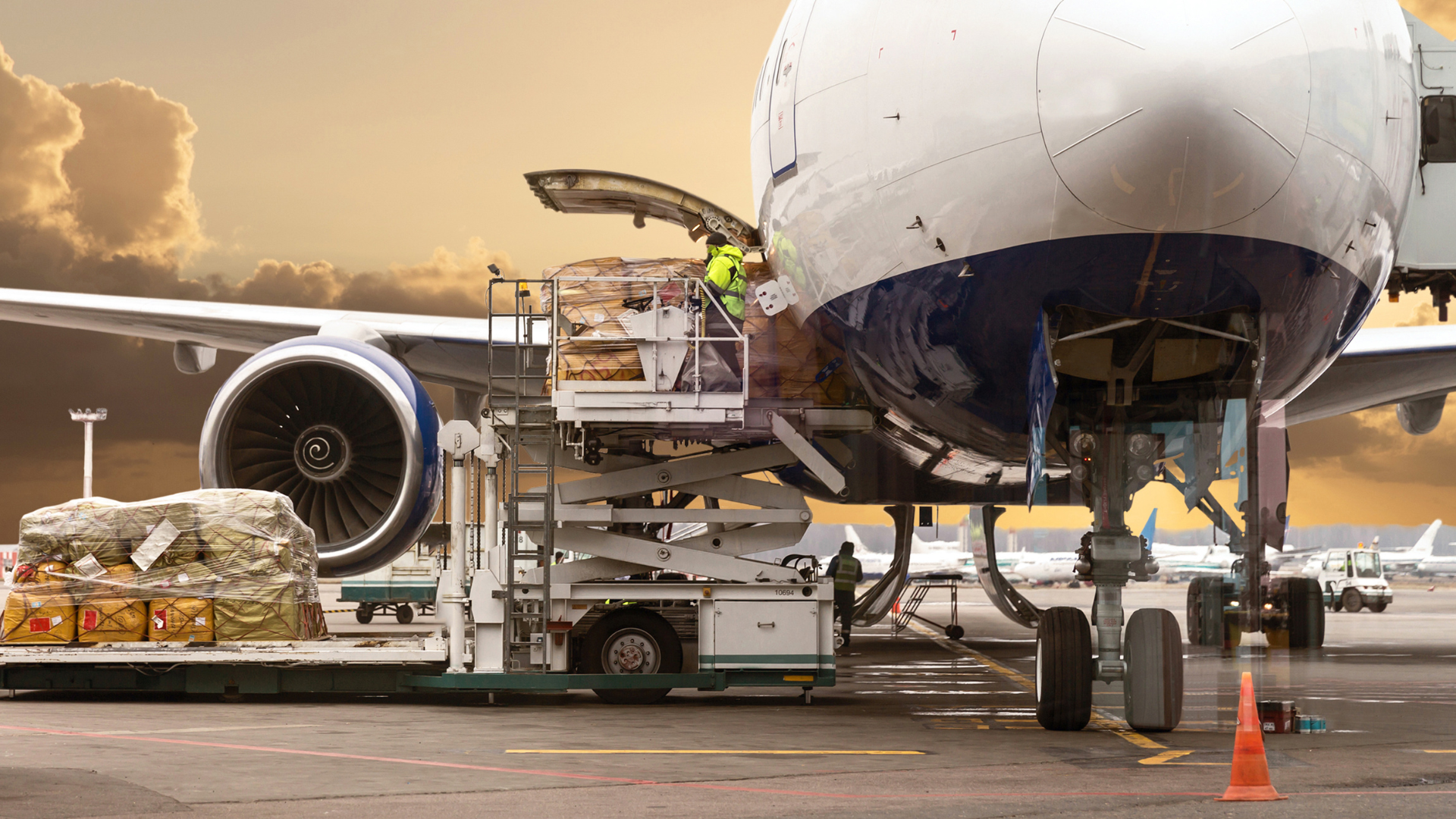
Packaging Operations & Transport Mode Selection
Optimizing packaging directly impacts cargo utilization rates and overall freight costs.
Packaging Standards: Must comply with handling requirements, stacking strength within containers, and international shipping marks.
Transport Optimization: Choose between sea freight (LCL/FCL) for cost efficiency or air freight for time-sensitive shipments.
Partnering with Logistics Service Providers (3PL/Forwarders)
Collaborating with professional logistics providers enables businesses to outsource complex operations efficiently.
Customs Brokerage: Support in customs declaration and handling port-related procedures.
Schedule Advisory: Continuous updates on freight rates and vessel schedules, helping businesses adapt production and export plans accordingly.
Conclusion
In the context of rising logistics costs and increasing supply chain risks in 2026, partnering with end-to-end logistics service providers is a strategic solution for optimizing operations. This integrated approach minimizes risks related to cargo handling and documentation errors, ensuring stable and sustainable export performance.
Contact Information

AN TIN INTER-TRANSPORT JOINT STOCK COMPANY
Address: Lot CN11+12 An Dong Industrial Park, Nam Sach Commune, Hai Phong City, Viet Nam.
Tel: (+84) 220 3755 456
Email: info@antinlogistics.com
Website: antinlogistics.com