

Logistics costs in Q2 2026: Easing tensions, rising cost pressures – How can businesses optimize margins?
Amid ongoing uncertainties in global supply chains in 2026, logistics costs have become a critical challenge for Vietnamese import-export enterprises. Despite easing geopolitical tensions, logistics expenses are trending upward again, requiring businesses to pivot strategies to sustain growth.
Freight Rate Updates – Q2 2026
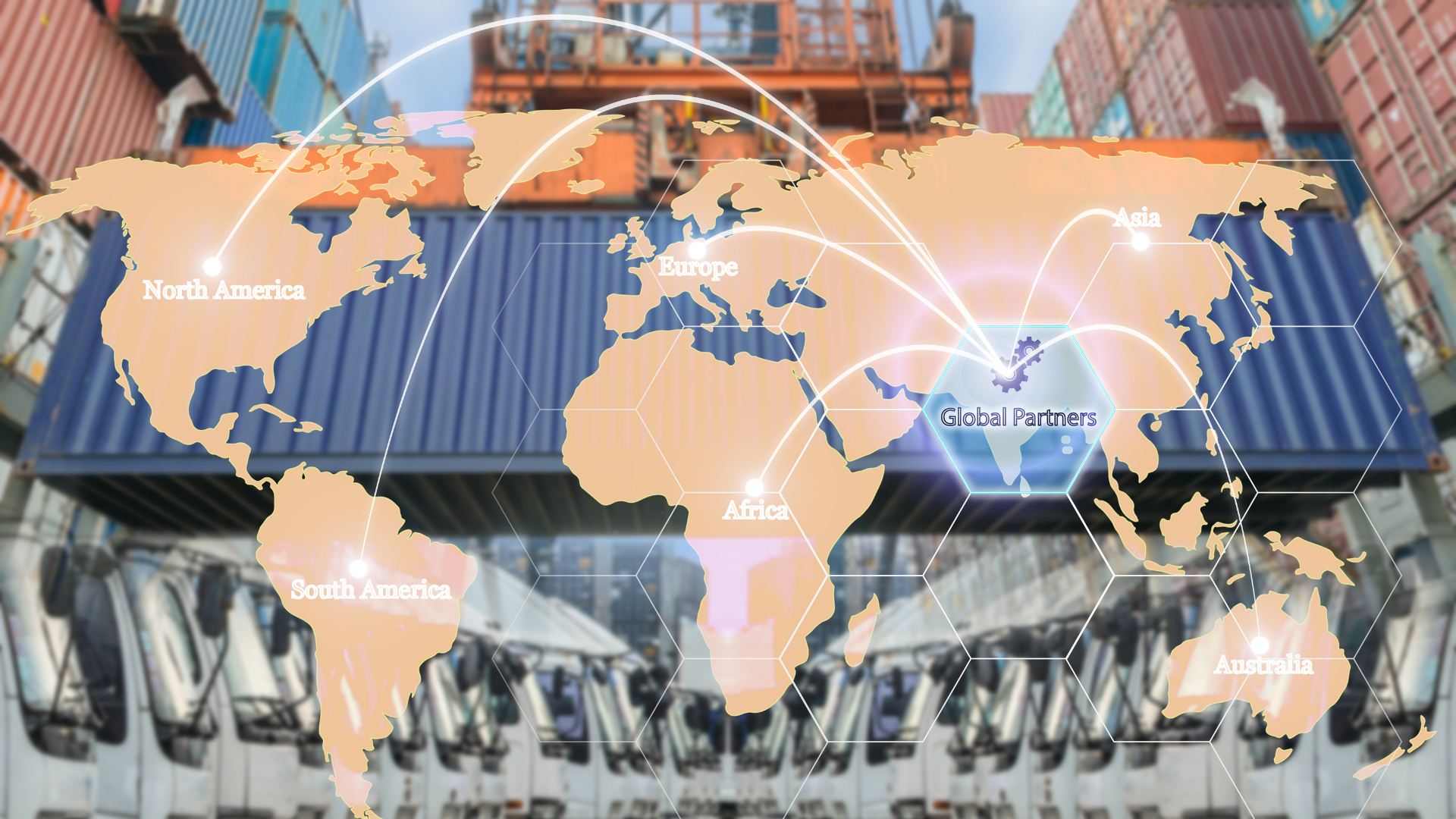
As of May 2026, the freight market has recorded significant rate adjustments driven by geopolitical factors and fuel price volatility:
International Ocean Freight: Rates on the Asia–Europe trade lane have increased by approximately 20%, ranging from USD 3,200 to USD 3,500 per 40-foot container (FEU). Additional surcharges of USD 70–250 per TEU have also been imposed by carriers depending on the route.
Domestic Transportation: Container trucking rates have risen by 7–12% since March 2026. The Hai Phong – Ho Chi Minh City route is currently priced at around VND 2.5–2.8 million (20ft) and VND 4.8–5.3 million (40ft).
Fuel Costs: Representing 30–40% of operating expenses, fuel remains the primary driver behind continuous freight rate adjustments.
Key Logistics Cost Components to Monitor
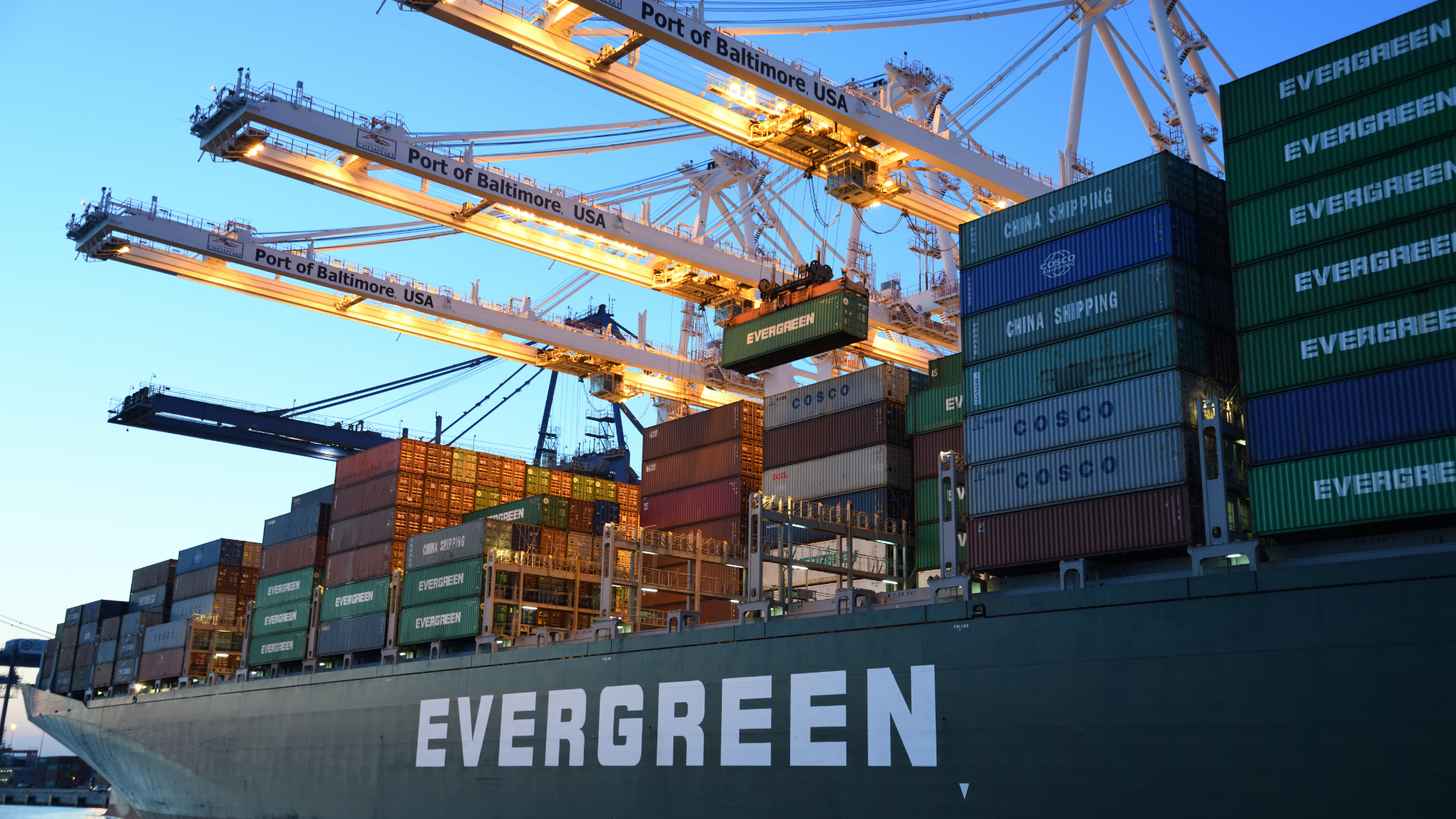
To effectively manage cash flow, businesses should closely track the following cost categories:
Main Freight (Ocean/Air Freight): Highly volatile on a weekly basis, requiring frequent rate updates and contract monitoring.
Carrier Surcharges: Including BAF (Bunker Adjustment Factor), PSS (Peak Season Surcharge), THC (Terminal Handling Charge), and notably LSS (Low Sulphur Surcharge) – a mandatory environmental compliance fee under 2026 regulations.
Hidden & Ancillary Charges: Such as storage fees, demurrage and detention (Dem/Det) due to port congestion, and contingency costs arising from route deviations (e.g., rerouting via the Cape of Good Hope instead of the Red Sea).
Green Logistics Compliance Costs: From 2026, stringent markets such as the EU have begun implementing CBAM (Carbon Border Adjustment Mechanism), requiring additional expenditure on emissions reporting and supply chain transparency.
Strategic Adjustments to Sustain Export Performance
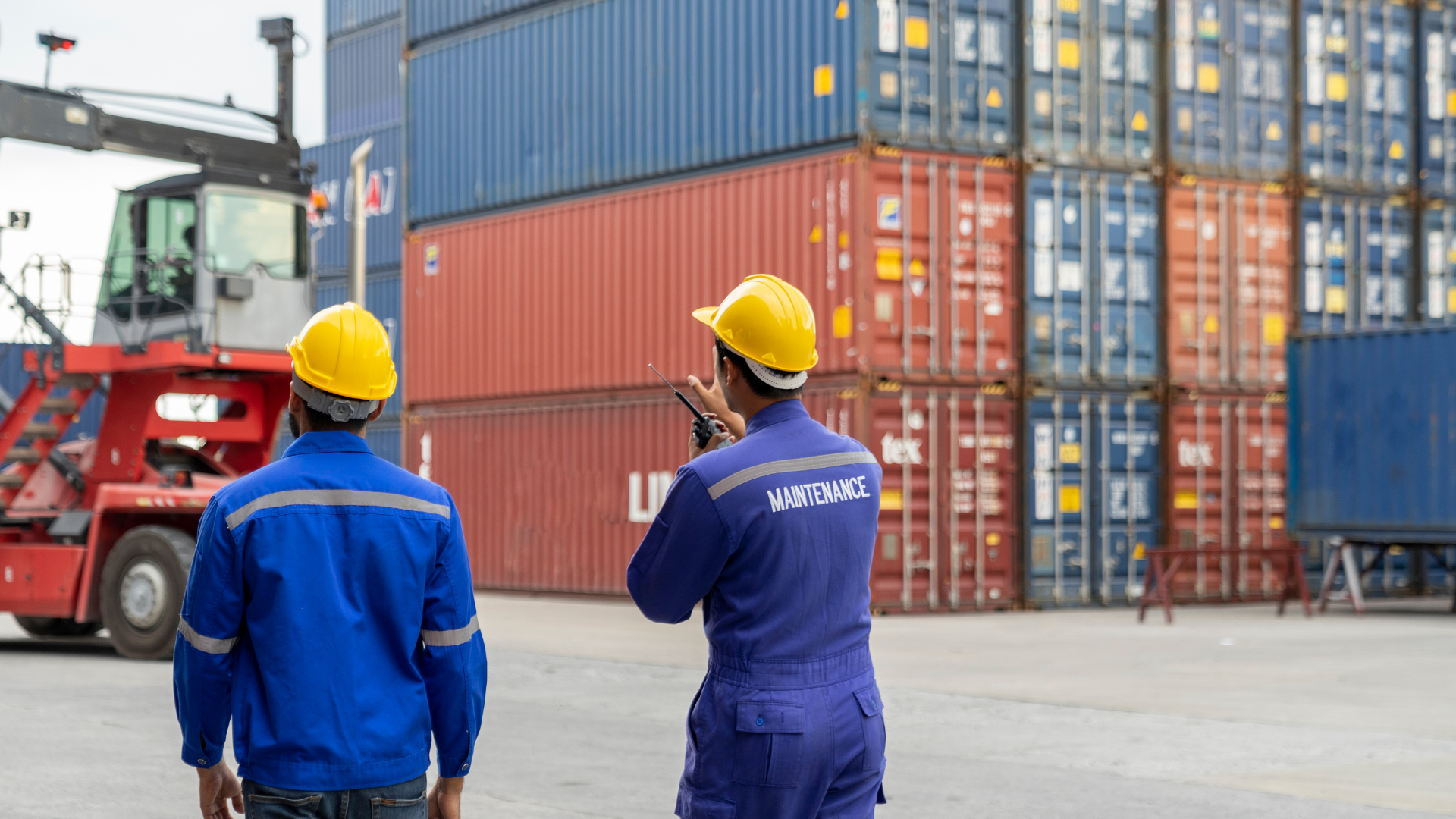
In response to rising cost pressures, An Tín Logistics recommends three key strategies:
Digital Transformation in Logistics Management: Effective January 1, 2026, electronic transport orders and e-receipts have become mandatory. Businesses should digitize documentation and workflows to improve reconciliation efficiency and minimize risks of penalties or customs delays.
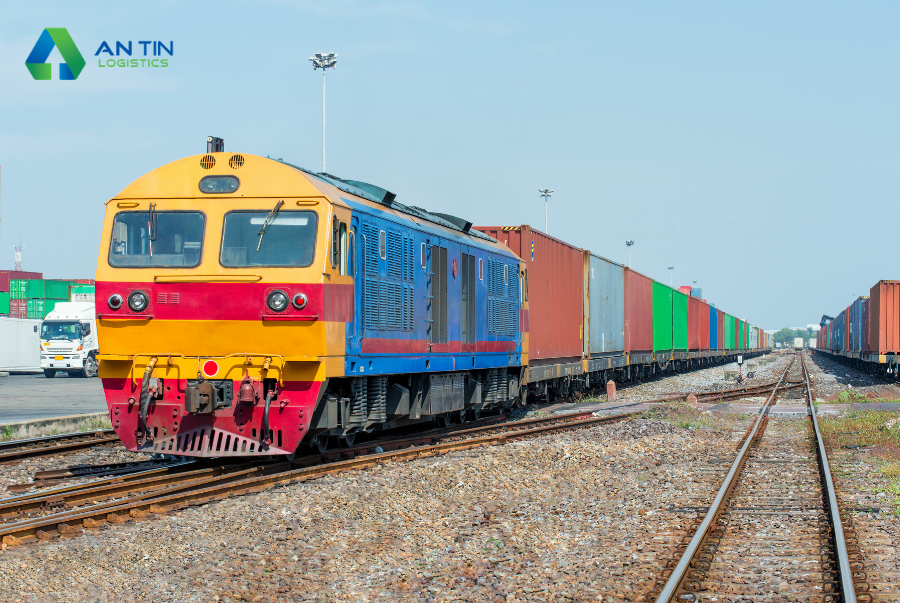
Multimodal Transportation: Leveraging a flexible combination of road, rail, and sea transport to optimize both cost and transit time. For instance, rail routes to the Middle East are emerging as viable alternatives amid seaport congestion.
Advanced Planning (Priority Booking): Instead of last-minute bookings, shippers are advised to secure vessel space at least 2–3 weeks in advance to lock in stable freight rates and mitigate capacity shortages.
Contact Information

AN TIN INTER-TRANSPORT JOINT STOCK COMPANY
Address: Lot CN11+12 An Dong Industrial Park, Nam Sach Commune, Hai Phong City, Viet Nam.
Tel: (+84) 220 3755 456
Email: info@antinlogistics.com
Website: antinlogistics.com