

What First-Time Exporters Need to Prepare for a Smooth Logistics Process
Exporting goods to international markets for the first time is a major milestone for many Vietnamese businesses. However, in practice, most risks do not stem from product quality or pricing. They arise from insufficient preparation in logistics planning and export procedures. Even a minor oversight in transportation arrangements or documentation can result in shipment delays, unexpected costs, or reputational damage with overseas partners.
Instead of handling logistics reactively, first-time exporters should adopt a structured and strategic approach. Export logistics should be integrated into overall business planning from the outset, not treated as a final operational step.
Xem nhanh
- 1 Define Incoterms Clearly at the Contract Stage
- 2 Verify HS Code Classification and Export Regulations
- 3 Ensure Complete and Consistent Export Documentation
- 4 Select the Appropriate Mode of Transport
- 5 Implement Risk Management from the First Shipment
- 6 Choose an Experienced Logistics Partner
- 7 Export Logistics: Building a Sustainable Foundation
Define Incoterms Clearly at the Contract Stage
One of the most common mistakes among first-time exporters is focusing solely on sales price while overlooking the implications of Incoterms. Whether the contract is agreed under FOB, CIF, DAP, or another Incoterm significantly affects transportation responsibility, cost allocation, cargo risk transfer, and insurance obligations.
A lack of clarity regarding Incoterms can lead to unexpected logistics costs or disputes if issues arise during transit. Therefore, transportation planning and cost responsibilities should be clearly defined during contract negotiations, rather than addressed after the agreement is finalized.
Verify HS Code Classification and Export Regulations
Accurate HS code classification is a critical component of the export process. The HS code determines applicable duties, regulatory requirements, licensing conditions, and potential export controls. Incorrect classification may result in customs delays, additional inspections, tax reassessments, or administrative penalties.
First-time exporters should carefully review product-specific regulations to determine whether export licenses, quality inspections, quarantine certificates, or other compliance documents are required. Proactive regulatory verification reduces the risk of customs clearance delays and ensures smoother cross-border transactions.
Ensure Complete and Consistent Export Documentation
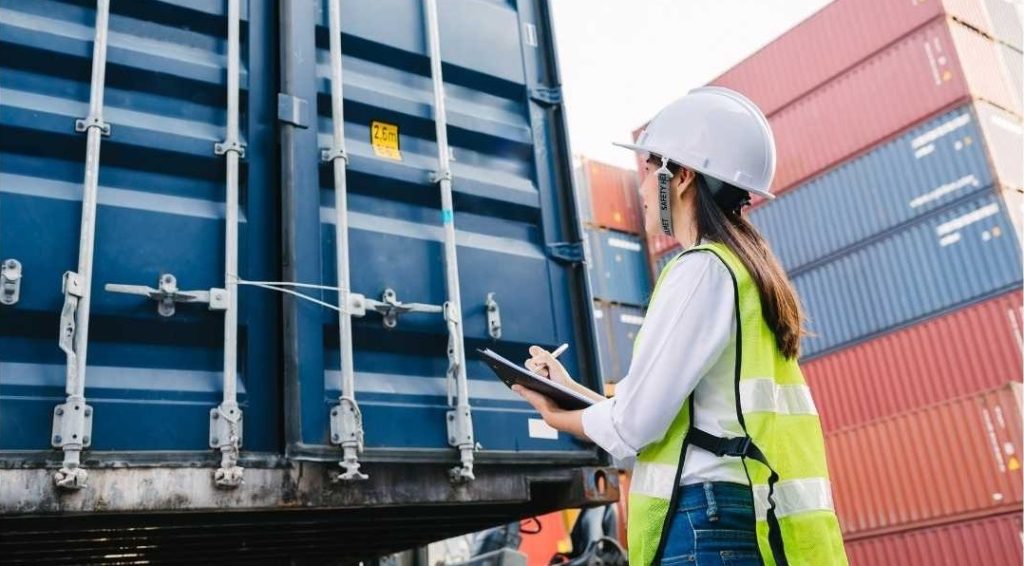
Export logistics cannot operate efficiently without accurate and consistent documentation. Standard export documentation typically includes a Sales Contract, Commercial Invoice, Packing List, Bill of Lading or Air Waybill, and Customs Declaration.
Depending on the destination market, additional documents such as a Certificate of Origin (C/O), phytosanitary certificate, quality certificate, or other compliance documents may be required. Inconsistent or incomplete documentation is one of the leading causes of shipment holds, demurrage charges, and storage costs at ports.
For first-time exporters, aligning documentation details across all parties involved—supplier, freight forwarder, customs broker, and consignee—is essential to avoid operational disruptions.
Select the Appropriate Mode of Transport
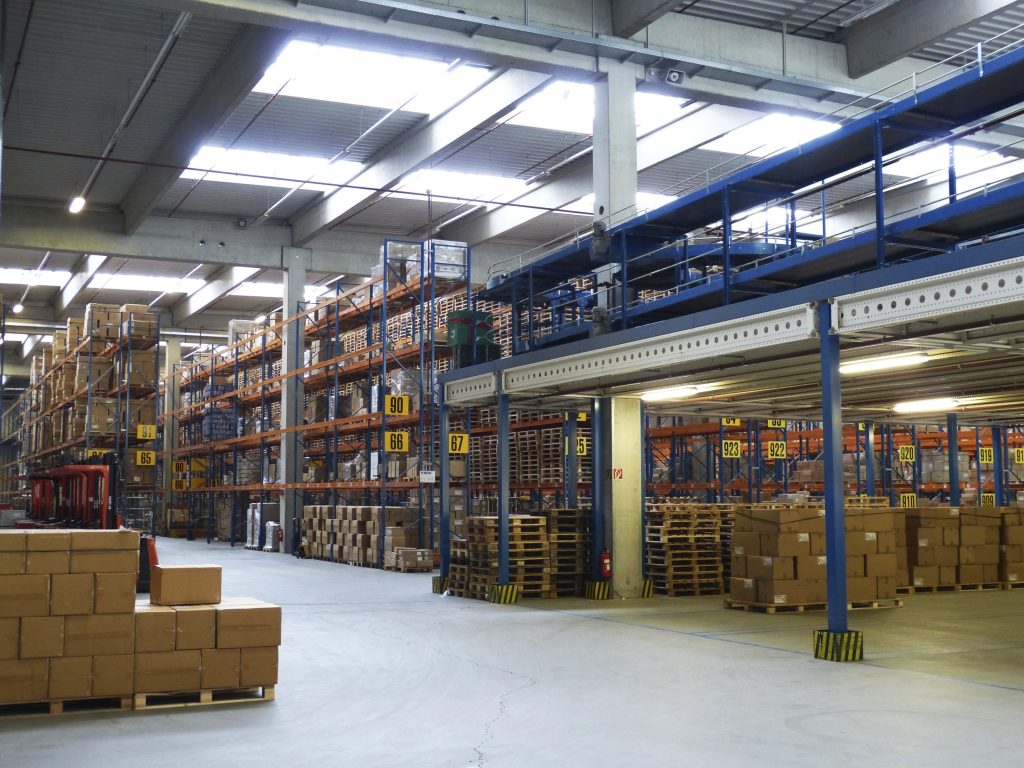
Choosing the right mode of transport is a strategic decision in export logistics. Businesses must evaluate whether sea freight, air freight, or multimodal transport best aligns with shipment characteristics, delivery deadlines, cargo value, and risk tolerance.
For initial export shipments, reliability and schedule stability may outweigh minor freight rate differences. Selecting the most cost-effective option without considering operational risk can jeopardize delivery performance and long-term customer relationships.
Transportation decisions should balance cost efficiency with transit time, cargo sensitivity, and overall supply chain impact.
Implement Risk Management from the First Shipment
Global supply chains are subject to disruptions such as rolled cargo, vessel schedule changes, port congestion, and container shortages. First-time exporters may lack experience in managing such logistics risks, which can lead to reactive decision-making and higher costs.
Proactive risk management includes early booking, close monitoring of vessel schedules, contingency planning, and maintaining communication with logistics partners. Anticipating potential disruptions allows exporters to mitigate operational impact and maintain delivery commitments.
Choose an Experienced Logistics Partner
For new exporters, a logistics provider is not merely a transportation service supplier but a strategic partner in managing the export process. An experienced freight forwarder can provide guidance on Incoterms, documentation compliance, customs procedures, freight market conditions, and risk mitigation strategies.
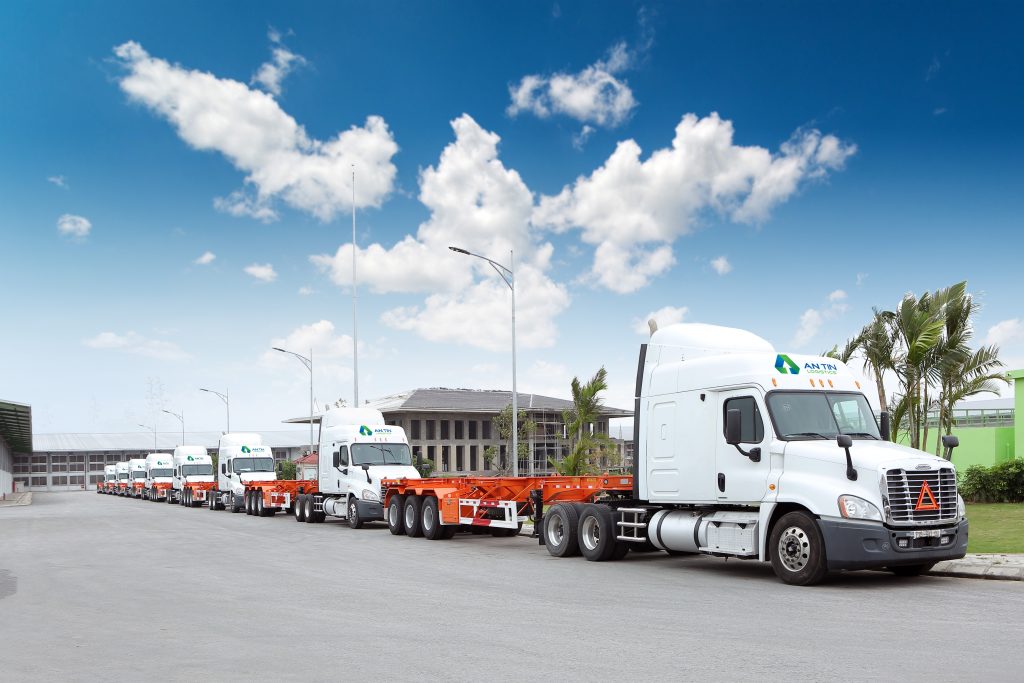
Selecting a reliable logistics partner from the beginning reduces the learning curve, minimizes costly errors, and supports long-term export growth.
Export Logistics: Building a Sustainable Foundation
Exporting is not simply a single commercial transaction; it is a long-term growth strategy. For first-time exporters, structured logistics preparation is essential to control costs, maintain delivery timelines, and establish credibility in international markets.
An Tín Logistics supports businesses throughout the entire export logistics process—from contract advisory and customs compliance to international freight coordination and risk management—enabling companies to enter global markets with confidence.