


Why Cargo Gets Rolled Over and How Businesses Can Reduce the Risk in Ocean Freight
In ocean freight transportation, rolled cargo remains one of the most frustrating risks for exporters and importers alike. Many shipments are fully booked, containers are already gated in at the port, yet just days—or even hours—before departure, the cargo is postponed to the next vessel. This disruption not only delays delivery schedules but also triggers additional costs and damages business credibility with international partners.
To effectively minimize the risk of cargo rollovers, businesses must first understand the root causes. Why does cargo get rolled, and more importantly, how can companies manage this risk proactively instead of reacting after disruptions occur?
Xem nhanh
What Is Rolled Cargo and Why Does It Happen?
Rolled cargo refers to containers that are not loaded onto the vessel as originally booked and must be moved to a later sailing or alternative route. This situation is relatively common in ocean freight, especially during peak seasons or periods of schedule instability.
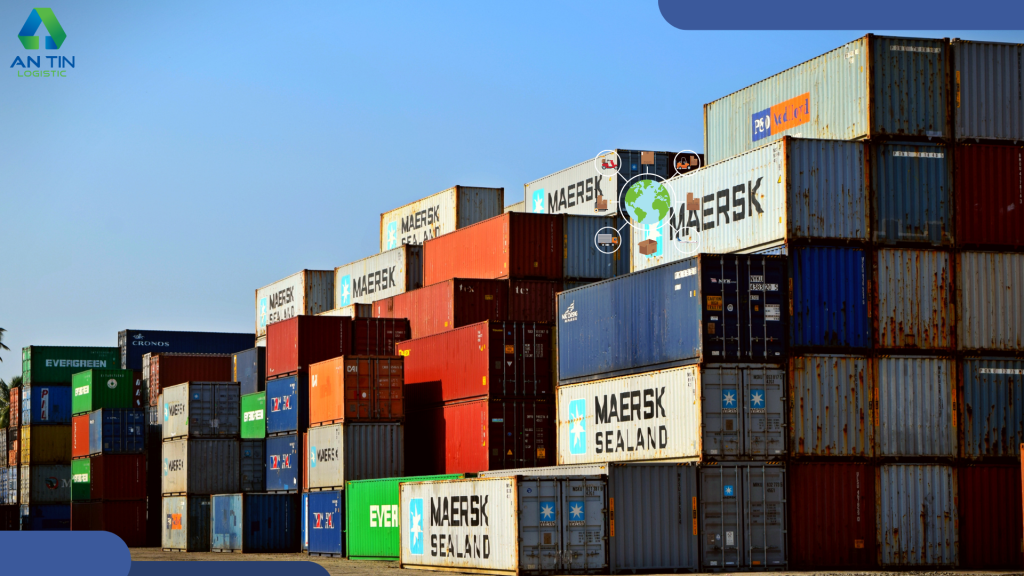
One of the primary causes lies in how shipping lines prioritize cargo. In practice, carriers tend to allocate space to shipments with higher freight rates, long-term contracts, or strategic customers. When vessels reach capacity, spot bookings or lower-rate cargo are often the first to be rolled, even if they were confirmed in advance.
Another contributing factor is overbooking. To protect themselves from last-minute cancellations, shipping lines frequently accept bookings beyond actual vessel capacity. When demand remains strong and cancellation rates are low, some containers inevitably get pushed to subsequent sailings, leaving shippers in a vulnerable position.
Operational disruptions also play a significant role. Schedule changes, blank sailings, port omissions, adverse weather conditions, or port congestion can all prevent containers from being loaded as planned—even when documentation and procedures are fully completed.
From an execution standpoint, cut-off compliance is a critical issue. Containers gated in close to cut-off times, incomplete documentation, or last-minute booking amendments significantly increase the risk of rollover, particularly when vessels are already near full capacity. In such scenarios, late-arriving containers are typically deprioritized.
Finally, many businesses rely on a single transport plan for each shipment. Without alternative routing or backup options, any rollover immediately disrupts the entire supply chain and limits flexibility to respond quickly.
The Real Impact of Cargo Rollovers
Cargo rollovers are far more costly than a simple schedule delay. In reality, the consequences often ripple across the supply chain. Late deliveries can breach contractual commitments, while storage, demurrage, and detention charges quickly accumulate. For time-sensitive cargo, a single rollover can erode competitive advantage and place significant pressure on relationships with overseas customers.
How Can Businesses Reduce the Risk of Cargo Rollovers?
The most effective way to mitigate rollover risk is through proactive logistics planning. Instead of waiting until orders are finalized to source freight rates and vessel space, businesses should integrate logistics planning early in their sales and production cycles. Early bookings improve space security, provide more sailing options, and allow room to adjust when disruptions arise.
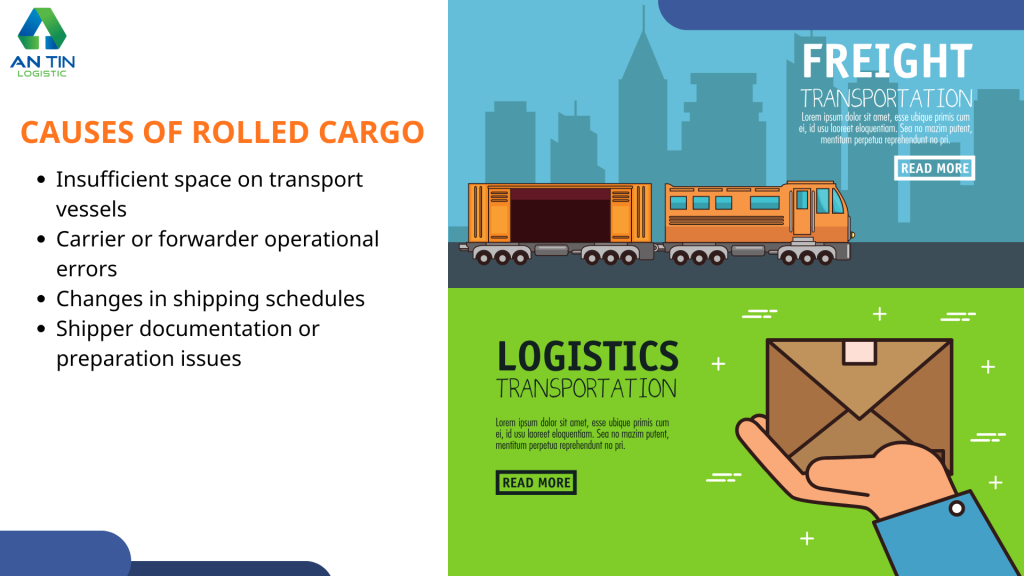
Working with a logistics partner that has stable volume and strong carrier relationships also plays a critical role. Such partners are often better positioned to secure vessel space, receive early operational updates, and intervene when rollover risks emerge.
From an operational perspective, early container gate-in and strict cut-off management are essential. These practices not only increase the likelihood of cargo being loaded but also provide a buffer to resolve documentation issues or operational changes before departure.
In today’s volatile global supply chain environment, businesses should also prepare contingency transport plans. The ability to switch sailings, adjust routes, or combine transport modes can significantly reduce the impact of unexpected rollovers and prevent cascading disruptions.
Above all, companies should choose logistics providers who offer solution-oriented consulting, not just freight quotations. A partner with deep market insight, route-specific risk awareness, and hands-on support during disruptions can help protect long-term operational and financial performance.
Taking a Proactive Approach to Avoid Cargo Rollovers
While cargo rollovers cannot be eliminated entirely, they can be significantly reduced through early planning, operational discipline, and flexible logistics strategies. In ocean freight, the cost of resolving disruptions is almost always higher than the cost of preventing them.
With extensive experience across multiple trade lanes and cargo types, An Tin Logistics supports businesses in building proactive logistics strategies that minimize rollover risk and ensure supply chains remain stable from the very beginning.